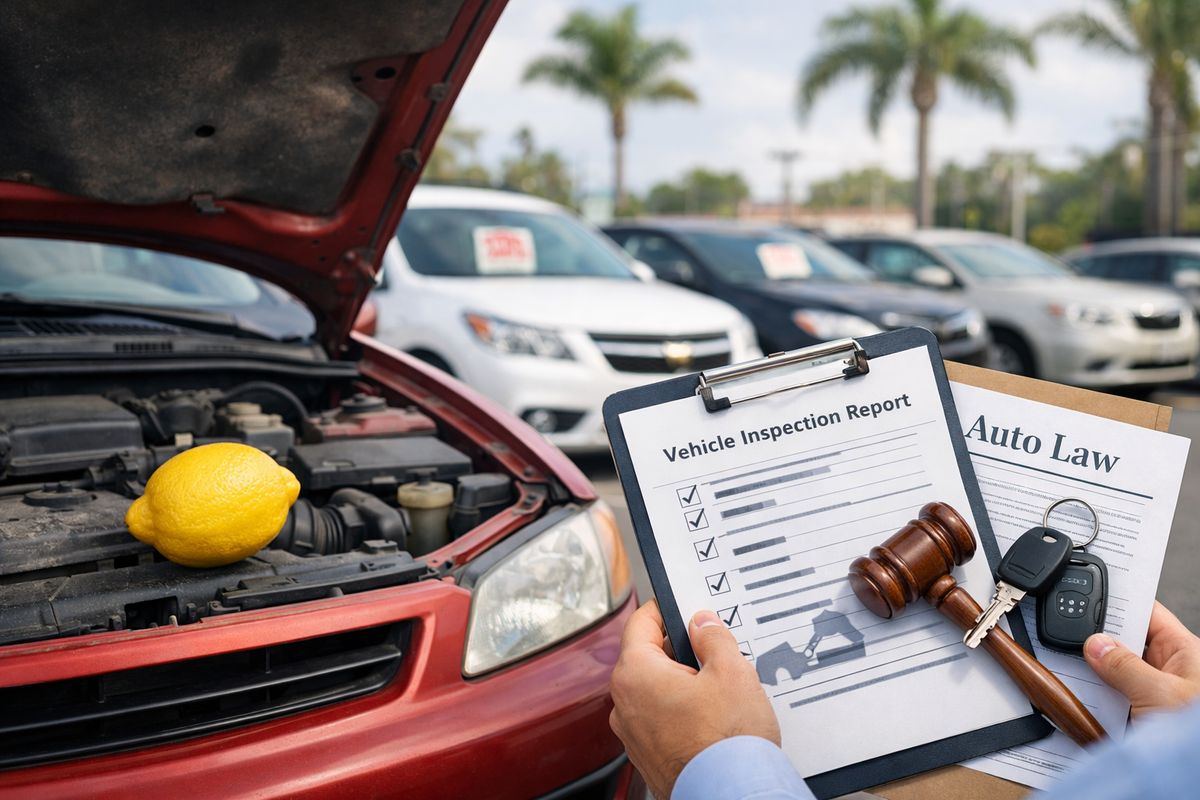

A leased vehicle lemon law claim is a legal claim that a leased vehicle qualifies for relief because a serious defect was not fixed within the limits set by state law. In Florida, leased vehicle lemon law issues matter because many drivers assume only purchasers have rights, even though a qualifying lease can also fall within the statute.
What a leased vehicle lemon law claim means in florida
Florida lemon law can apply to leased new vehicles when a defect appears during the manufacturer warranty period and the repair history meets the statutory standard. The claim is not based on buyer regret or normal wear. It is based on a covered defect that the manufacturer failed to repair after a reasonable number of attempts.
A lease does not remove lemon law protection by itself. Florida’s rules focus on the vehicle, the warranty, the defect, and the repair record. A broader explanation of state coverage appears in this guide to Florida lemon law basics.
Which leased vehicles may qualify
The usual starting point is a new vehicle leased in Florida. Many current claims involve 2024, 2025, and 2026 vehicles that developed problems soon after delivery.
The defect must fall under the manufacturer’s warranty. Problems caused by abuse, collision damage, neglect, aftermarket changes, or routine maintenance items usually do not qualify.
What counts as a lemon defect
A lemon defect must substantially impair the vehicle’s use, value, or safety. That standard is higher than a minor inconvenience.
Common examples include engine failure, transmission slipping, stalling, repeated electrical faults, brake defects, steering issues, persistent warning lights, or a vehicle that will not start. A fuller discussion of what Florida treats as a qualifying defect can help frame the issue.
Check the florida lemon law requirements
Most leased vehicle lemon law claims turn on three points: warranty coverage, repair attempts, and time out of service. These points create the structure of the case.
The defect must arise within the applicable lemon law rights period and while the manufacturer warranty applies. The claim then depends on what happened after the first repair visit.
Repair attempts for the same problem
Florida law often looks for repeated repair attempts for the same unresolved defect. If a vehicle returns to the dealer again and again for the same stalling issue, transmission fault, or electrical failure, that pattern may satisfy the repeated-repair standard.
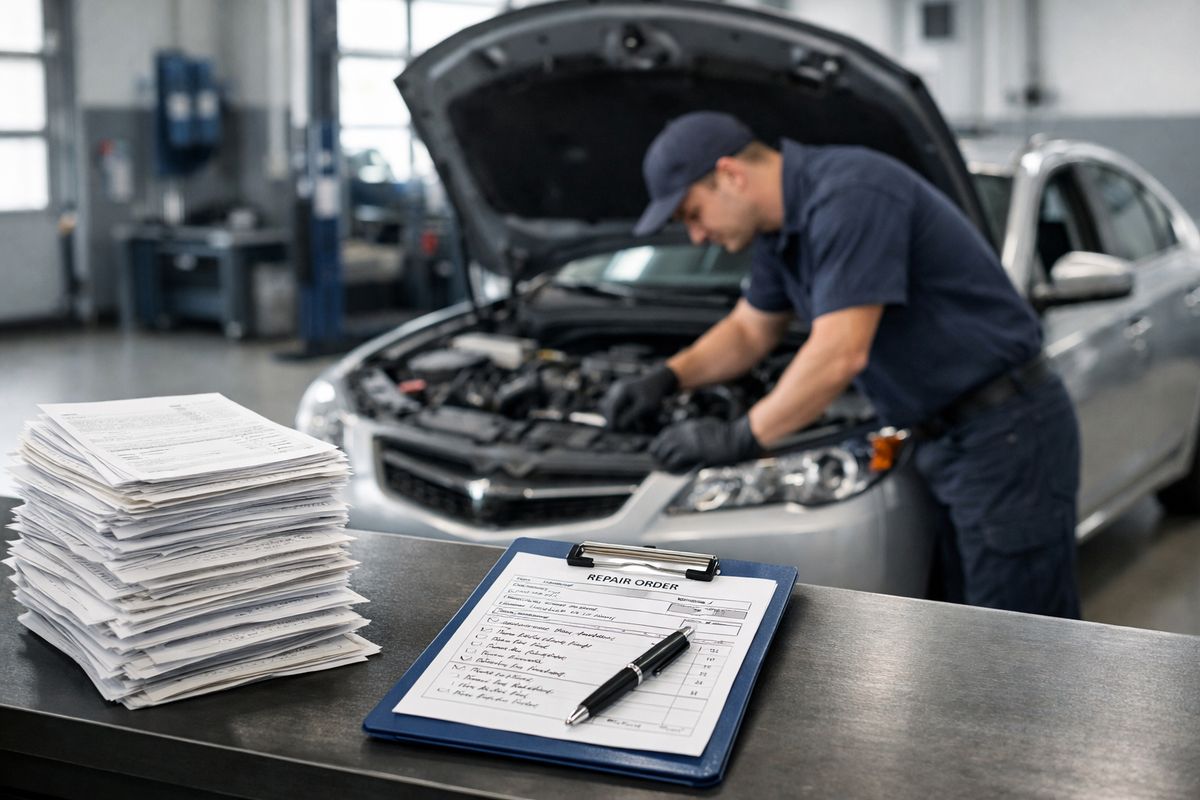
Repair orders matter because they show dates, mileage, complaints, and the dealer’s repair result. When those records show the same problem over multiple visits, they support a claim that the condition was never fixed. More detail appears in this breakdown of repeat repair standards and proof.
Time in the shop
A vehicle may also qualify if it has been out of service for an extended period for warranty repairs. This can happen even when the repair issue changes from visit to visit, as long as the time away from the driver adds up within the legal period.
Parts delays do not erase downtime. Neither do long waits for an engine, transmission, or control module. A separate guide explains how long shop time can start to matter.
Final repair opportunity for the manufacturer
Florida cases often require formal notice that gives the manufacturer one final chance to repair the vehicle. This step matters because stronger remedies may depend on it.
Verbal complaints to the dealer are usually not enough. Written notice helps create a clear record of what defect remained and when the manufacturer was asked to act.
Know how leased-vehicle remedies work
If the leased vehicle qualifies, the remedy can take more than one form. The result may be a buyback, a replacement, or another resolution shaped by the statute and the lease terms.
The lease structure affects where money goes. That is the main difference between a leased case and a financed purchase case.
Manufacturer buyback on a lease
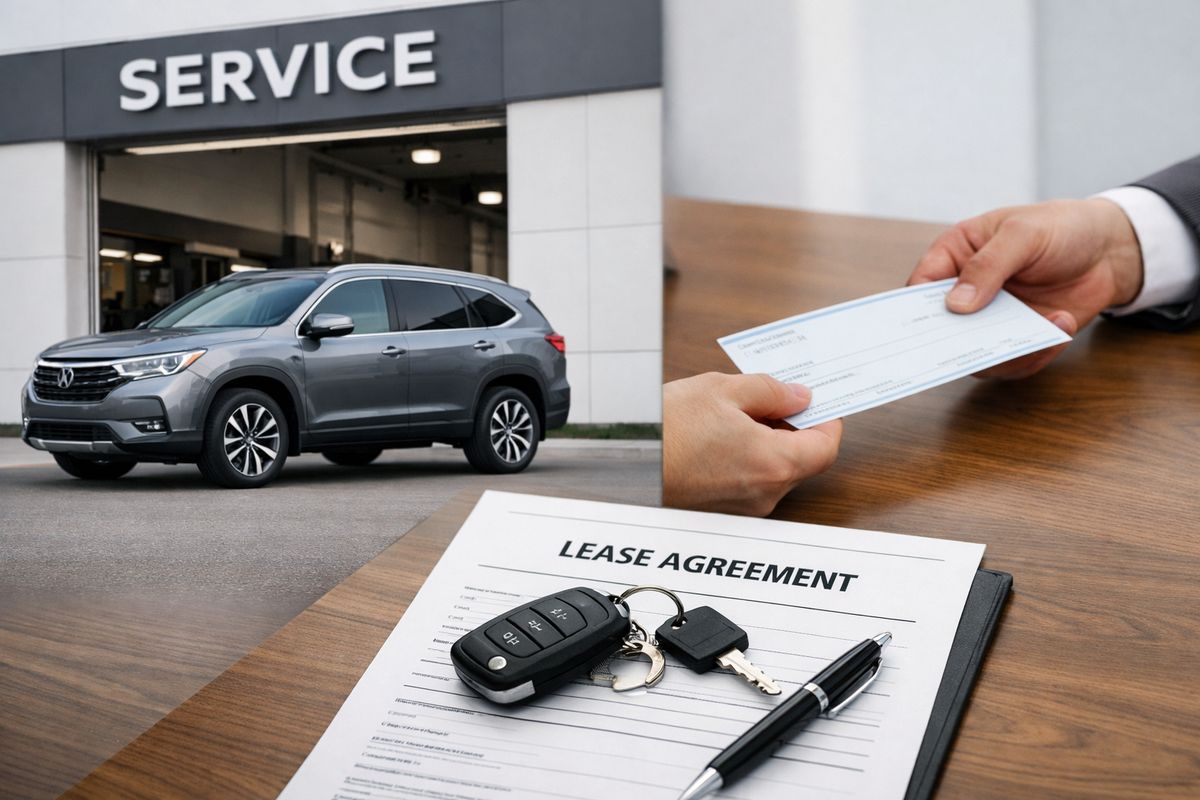
In a lease buyback, the manufacturer may pay off the lease balance owed to the lessor. The lessee may also recover qualifying payments, taxes, registration charges, and other amounts allowed by law.
The exact numbers depend on the contract and the statute. Some cases also involve a mileage offset or use deduction if state law allows it. A related overview covers how manufacturer repurchase options usually work.
Replacement vehicle option
A replacement vehicle may be offered instead of a refund. That option depends on vehicle availability, the lease terms, and the legal framework that applies to the claim.
A replacement is not always better. It may solve the transportation problem, but the financial terms still need review.
Charges, offsets, and compensation limits
Not every expense tied to the vehicle is automatically reimbursed. Insurance, fuel, optional products, and unrelated add-ons may fall outside the recoverable amount.
That point causes confusion in lease cases. The statute sets the remedy. The claim does not always restore every dollar spent.
Gather the records that support the claim
Leased vehicle lemon law claims depend on records. A strong file shows what broke, when it broke, how often the dealer saw it, and how long the vehicle stayed unavailable.
Good documentation also reduces disputes over dates and mileage. That is why many firms focus on the records that support a lemon law claim.
Repair orders and warranty records
The key documents usually include repair orders, dealer invoices, warranty booklets, recall notices, and manufacturer communications. Records showing engine replacement or transmission replacement can be especially relevant.
Each repair order should show the customer complaint in plain terms. “Vehicle stalls while driving” is stronger than a vague notation that does not describe the symptom.
Lease papers and payment history
The lease agreement helps identify the lessor, monthly payment terms, fees, and residual structure. Payment history can show what the lessee paid during the period the defective vehicle remained in service or unavailable.
Registration records, down payment proof, taxes, and fee receipts also help calculate the remedy. These papers give the numbers context.
Timeline of defects and downtime
A simple defect log can help organize the record. It should track dates, mileage, symptoms, days out of service, towing events, and every return trip to the dealer.
This timeline can expose a pattern that is hard to see in isolated repair invoices. It is often the difference between a pile of papers and a coherent claim.
Avoid common mistakes in a leased lemon case
Some errors weaken otherwise valid claims. Most are avoidable.
Do not trade in the vehicle too soon
Trading in a defective leased vehicle can reduce leverage and create valuation problems. It can also complicate proof of continued defects, payments, and possession.
That is one reason many drivers review the financial risk of unloading a bad vehicle early before making that move.
Do not skip written notice
A verbal discussion with a service advisor does not create the same record as written notice. A lease claim often becomes harder when there is no proof that the manufacturer received a formal final opportunity to repair.
Written communication also limits later disputes about timing. Dates matter in lemon law cases.
Do not assume a major repair ends the claim
An engine replacement or transmission replacement does not automatically end a claim. Prior repair attempts and prior downtime still exist.
A vehicle that received a new transmission may still suffer the same drivability issue or a related failure. The pattern matters more than the label on the repair.
Answer common questions florida lessees ask
These are the issues that come up most often when a leased vehicle keeps returning to the dealer.
Are leased vehicles covered by lemon law in florida
Yes, leased vehicles can be covered in Florida if they meet the law’s requirements. The main issues are that the vehicle was leased new, the defect arose during the warranty period, and the repair history satisfies the statute.
A separate page addresses the narrower question of coverage for a leased vehicle under Florida law.
Can lease payments continue during a claim
In many cases, the lease payment obligation continues while the claim is pending. The lease contract usually remains in force unless a settlement, arbitration result, or other legal resolution changes that obligation.
Stopping payment without legal basis can create a different dispute. The defect claim and the lease payment duty are often separate until the matter resolves.
Who receives the refund in a leased-vehicle buyback
In a lease buyback, the lessor often receives the payoff amount owed under the lease. The lessee may receive eligible reimbursements for payments and fees covered by the statute.
The allocation depends on the contract and the remedy formula. The money does not always go to one party only.
When should a lessee seek a case review
A case review makes sense after repeated repairs for the same issue, long periods in the shop, unresolved safety problems, or a major component replacement. A lessee may also seek review when the dealer keeps saying the condition is fixed but the defect returns.
This is often the point where a formal review of the repair history and next steps becomes useful.
Frequently asked questions
Does a leased vehicle need to be brand new to qualify
Florida lemon law usually applies to new vehicles. A used vehicle lease may fall outside standard lemon law coverage unless another warranty theory applies.
Does one engine or transmission replacement prove the vehicle is a lemon
No. A major repair is strong evidence of a serious defect, but the full claim still depends on warranty timing, repair history, and legal thresholds.
Can dealership statements that the problem is normal defeat a claim
Not by themselves. If the records show repeated complaints, failed repairs, or ongoing safety issues, that history still matters even when the dealer labels the condition normal.
What if the same defect keeps returning after several repair visits
That pattern is one of the core signs of a possible lemon claim. Repeated visits for the same unresolved issue often carry more weight than a single major repair.
Are days waiting for parts counted in the repair history
They can be relevant when the vehicle remains out of service for warranty repairs. The key issue is the total time the vehicle was unavailable, not just the hours a technician worked on it.
Talk to jonathan about your vehicle
Jonathan D. Schwartz, the attorney behind Bad Vehicle, helps vehicle owners understand their Lemon Law options. He can review their repair history, answer their questions, and help determine the next steps for a potential claim.
The case review is free. No attorney fees are due unless the case is won.
Schedule a free consultation with Jonathan: https://badvehicle.com/schedule-your-consultation/
Think your vehicle may qualify?
Have your repair history reviewed and find out what options may be available under Lemon Law or warranty law.