

If your dashboard light comes back on before you even make it home from the dealership, “frustrating” stops being the right word. For many drivers dealing with lemon law Florida cars issues, the real question is simple: if your vehicle keeps breaking under warranty, can you force the manufacturer to make it right? In many cases, yes, and that can mean a buyback, a replacement, or other relief.
What florida lemon law means for cars
Florida’s lemon law is a consumer protection law for defective vehicles that have serious warranty problems the manufacturer or dealership cannot fix within the allowed time. In plain English, if you bought or leased a newer vehicle in Florida and it keeps having the kind of problem that affects how it runs, how safe it is, or what it is worth, the law may give you a path to a remedy.
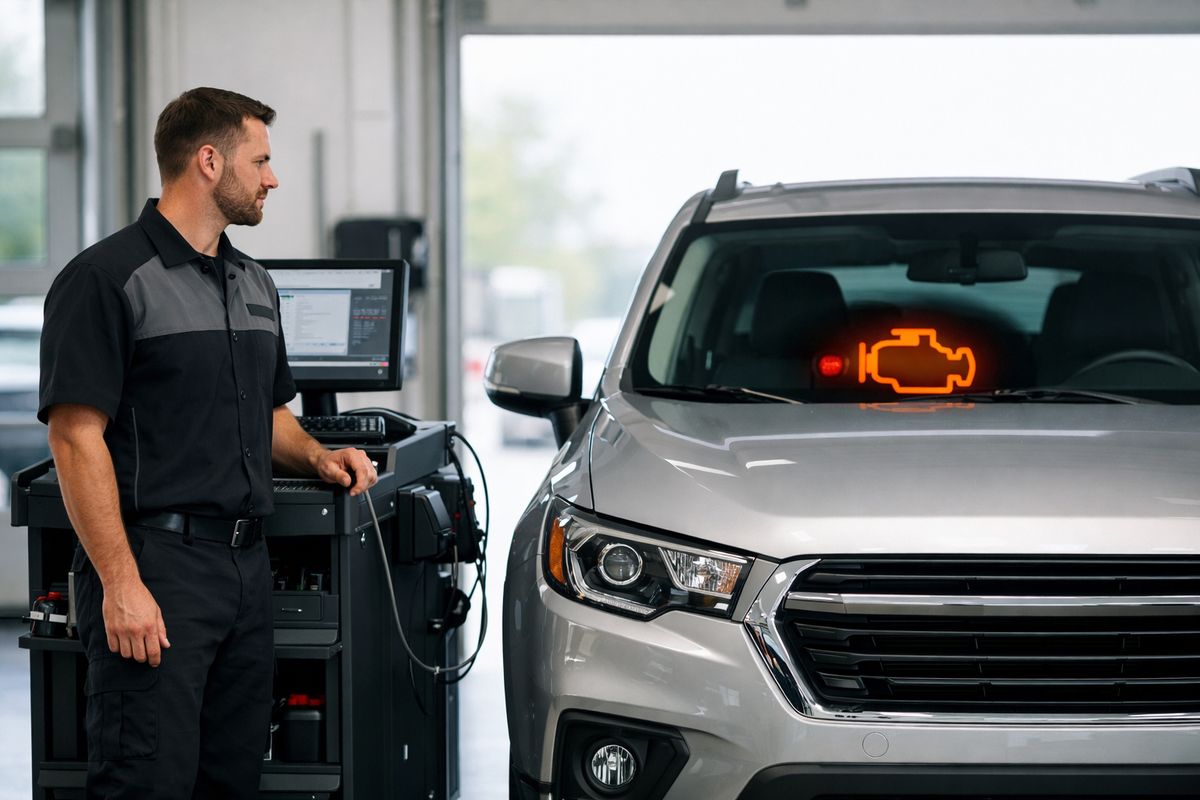
Picture the usual scene. You pick up your SUV from the service lane in Orlando after another repair, the advisor says it should be good now, and twenty minutes later the warning light pops back on or the transmission jerks again at the same stoplight. That is exactly the kind of pattern that makes people start looking into lemon law rights.
The big idea is not complicated. Florida’s lemon law is there to stop you from being stuck with a bad vehicle that is still under the manufacturer’s warranty but never truly gets fixed.
Which vehicles and drivers are covered in florida
Coverage usually centers on newer vehicles that are still protected by the original manufacturer’s warranty. That means the question is less about how you paid for the vehicle and more about whether the defect showed up during the warranty-backed period that counts for lemon law purposes.
New cars, demonstrators, and leased vehicles
Florida lemon law commonly applies to new vehicles, demonstrator vehicles, and leased vehicles. So if you financed your car, paid cash, or signed a lease, that payment method alone usually does not decide the issue. The manufacturer’s warranty and the timing of the defect matter much more.
This is good news if you are driving a 2024, 2025, or 2026 vehicle and dealing with repeat repairs. Leased vehicles can qualify too, and if that is your situation, it helps to understand how Florida handles leased-car claims before you make assumptions based on what the dealership says.
What “under warranty” really means
“Under warranty” usually means the vehicle is still covered by the factory warranty that came from the manufacturer. That warranty is the promise that certain defects or failures will be repaired if they happen within a stated time or mileage.
Here’s the catch: an extended service contract is not the same thing. A factory warranty is the part that usually matters most for Florida lemon law. If your engine, electrical system, transmission, or another major component fails during that original warranty coverage, the law may come into play. If you want a deeper look at that overlap, this explanation of warranty-based claims helps clear up the confusion.
What usually does not qualify
Not every bad car is legally a lemon. Many used cars are outside Florida’s new-car lemon law. Problems caused by neglect, aftermarket modifications, accidents, abuse, or poor maintenance usually do not count. Cosmetic annoyances usually do not count either, unless they tie back to something that substantially affects use, value, or safety.
That last part matters. A vehicle can be extremely annoying and still not qualify. Lemon law is not about every inconvenience. It is about serious unresolved defects within the legal window.
What counts as a “lemon” under florida law
A vehicle usually qualifies as a lemon when it has a substantial defect or condition that significantly impairs its use, value, or safety, and the manufacturer does not fix it after a reasonable opportunity. That sounds legalistic, but the everyday meaning is pretty clear.
If your car is unreliable in a way that makes you hesitate to drive it, worry about your family’s safety, or take a financial hit because nobody would reasonably want it in that condition, you are in the right territory.
Serious defects vs. minor annoyances
A major engine stall in traffic is not the same thing as a loose interior trim piece. A transmission that slams into gear, a vehicle that loses power on the highway, repeated electrical shutdowns, brake failures, steering problems, or a persistent overheating issue are the kinds of defects that can strongly support a claim.
“Substantial impairment” basically means the issue is serious enough to change how useful, safe, or valuable the vehicle is. Think of it like a refrigerator that looks fine from the outside but randomly stops cooling. The appearance is not the problem. The core function is.
Repeat repairs and long shop stays
Most lemon law claims follow one of two patterns. The same substantial problem keeps coming back after multiple repair visits, or the vehicle spends an unusually long time at the dealership while nobody solves the issue.
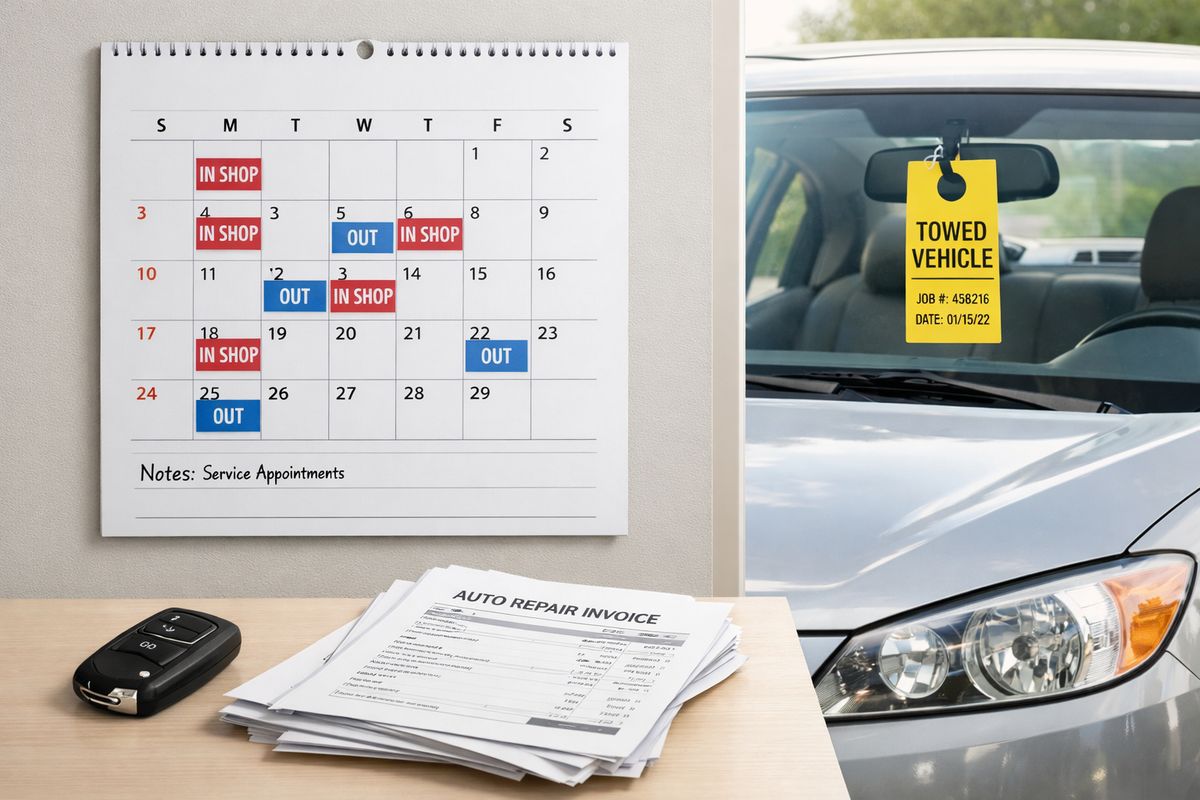
Both patterns matter. Some vehicles bounce in and out of the shop for the same defect. Others disappear into the service department for weeks because parts are backordered, engineers are reviewing the case, or the dealer claims it is still diagnosing the issue. If your car has effectively become a permanent guest at the dealership, understanding how extended shop time can affect a claim can help you see where you stand.
Why documentation matters more than memory
Memory fades fast. Paperwork does not.
Your repair orders, service invoices, mileage records, and drop-off and pickup dates often tell the real story better than any phone call ever will. If the invoice says “customer states transmission jerks at 25 to 35 mph” on three different visits, that is powerful. If it just says “checked vehicle,” that is a lot less helpful.
Keep every document. Save texts, emails, tow receipts, and photos of warning lights. If you need a simple framework, these records often make the difference.
The florida lemon law time limits you need to watch
Timing is one of the biggest practical issues in a Florida lemon law case. You can have a strong defect and still lose leverage if you wait too long or miss a required step.
The lemon law rights period
Florida lemon law rights are usually tied to the first 24 months after the date the vehicle is delivered to you. That period matters because the defect and repair history generally need to happen within that window.
This does not mean you need to have every answer on day one. It means you should pay attention early. If your 2024 to 2026 vehicle starts showing repeat problems, treat the timeline seriously from the first repair visit forward.
The repair opportunity period
Florida’s process usually includes a final chance for the manufacturer to repair the vehicle after proper notice. This is sometimes called the final repair opportunity, and it is one of the most commonly missed steps.
A lot of drivers assume repeated visits to the dealership are enough. Sometimes they are not. The formal notice piece matters because it tells the manufacturer, in a way the law recognizes, that the defect remains unresolved and the clock is moving into the next stage.
Why waiting can cost you leverage
Waiting can create a mess fast. If you keep driving the vehicle for months without formal notice, trade it in at a loss, or let the legal window pass while hoping the next repair will finally work, your position can get weaker.
That is not about blame. It is just reality. The longer the delay, the easier it becomes for the manufacturer to argue about timing, mileage, changing symptoms, or outside causes.
How the repair process usually builds a lemon law claim
Most claims are built one service visit at a time. It usually starts with a defect that seems fixable, then turns into a pattern.
First repair visit: say the problem the same way every time
Consistency matters more than most people realize. If the issue is a transmission hesitation, describe it the same way each time. “Transmission jerks and hesitates at 25 to 35 mph when accelerating from a stop” is strong because it is specific and repeatable.
“Car feels weird” is not useless, but it is vague. The dealership writes down what gets said at the counter, and that wording can follow your case all the way through. Try to make each complaint read like the same problem, because if it is the same problem, the paperwork should show that.
If the same problem comes back
When a defect returns after a repair, check the invoice before you leave. Make sure the complaint listed is accurate. If the paperwork downplays it, correct it while you are still there.
This is where many strong claims either sharpen or blur. A repeated defect needs a clean paper trail. If your vehicle keeps going back for the same issue, this guide to repeated repair attempts helps explain why the pattern matters so much.
If your car sits at the dealership for weeks
Long repair delays can matter even when the service department gives you a reasonable-sounding explanation. Parts delay. Factory review. Field engineer inspection. Software update pending. Those explanations may be true, but your vehicle is still out of service.
From your side, the result is what counts: you are paying for a vehicle you cannot properly use. If the car has spent weeks in the shop, keep track of the total days, not just the number of visits.
The notice requirement: when and how to tell the manufacturer
Formal notice is one of the most important steps in the Florida process. It is more than complaining to the dealership, more than a phone call to customer care, and more than another repair appointment.
What the notice is supposed to do
The notice tells the manufacturer that the defect remains unresolved and that you are invoking your rights to have the issue addressed through the next legal stage. In practical terms, it creates a line in the sand.
This is the point where the situation shifts from “please try again” to “you have had your chance, and now this needs to be dealt with properly.”
How to send notice and what to include
The notice should clearly identify your vehicle and the unresolved problem. Include the year, make, model, VIN, current mileage, repair history, and a straightforward description of the defect. Keep it factual. Dates and records matter more than emotion.
Use a delivery method that gives you proof it was sent and received. That proof can matter later. Also check your warranty materials for any manufacturer-specific instructions about where to send notice.
Mistakes that can slow things down
The most common mistakes are simple: sending a vague letter, leaving out the VIN, mailing it to the wrong address, relying only on phone calls, or assuming the dealership has already “told corporate everything.”
Do not assume internal communication will save you. If a formal notice step is required, handle it like a separate task.
What happens after notice: final repair attempt, arbitration, and next steps
Once notice is sent, the process usually becomes more structured. That is often a relief, because uncertainty is one of the worst parts of dealing with a defective vehicle.
The manufacturer’s final repair attempt
After notice, the manufacturer may get one last chance to inspect or repair the vehicle. Keep records of everything: when the vehicle was delivered, mileage at drop-off, who handled it, what was done, and whether the issue returned.
If the manufacturer still does not fix the defect, that failure can become a major turning point in your claim.
Arbitration in florida
Florida lemon law disputes may go through arbitration, depending on the path involved and the specific facts. Arbitration is basically a more structured dispute process outside a full trial, where evidence gets reviewed and a decision is made.
The Florida Attorney General’s office provides lemon law information and arbitration guidance, and the state process is outlined through Florida’s consumer lemon law resources. Florida highway safety materials also explain that the law is focused on new motor vehicles under warranty and describe buyer-related protections through state vehicle consumer guidance.
Possible outcomes: buyback, replacement, or other relief
The two outcomes people usually think about are a buyback or a replacement vehicle. A buyback means the manufacturer takes the vehicle back and refunds qualifying amounts, though a usage offset may apply. A replacement means you get another comparable vehicle instead.
In some situations, other forms of resolution can come up too. If you are comparing the practical difference between those paths, this breakdown of buyback versus replacement is worth reading.
What a florida lemon law buyback or replacement can include
A lot of drivers hesitate because they are not sure what the result would actually look like. That makes sense. “Relief” sounds abstract until you understand what may be included.
Vehicle repurchase
A repurchase usually means the manufacturer buys the vehicle back and refunds qualifying costs tied to the purchase or lease. Depending on the facts, that can include parts of the purchase price and certain related charges, though the law may allow a deduction for the mileage you used before the problem became serious enough to trigger relief.
That deduction is often called a usage offset. It is not pleasant, but it does not automatically make the claim pointless. If your alternative is trading in a defective vehicle and absorbing a major loss, a repurchase can still be far better.
Replacement vehicle
A replacement vehicle is exactly what it sounds like: the manufacturer provides a comparable vehicle instead of refunding your money. Some drivers like this option because it keeps them in a similar model without restarting the whole shopping process.
Others prefer a buyback because they want out completely. The better option depends on your facts, your finances, and how much confidence you still have in that brand or model.
Incidental and related costs
Related expenses can matter too. Towing bills, rental car costs, and certain out-of-pocket expenses tied to the defect or repair process may become part of the conversation, depending on the case.
Keep those receipts. Small charges add up quickly when a car keeps failing at the worst possible time.
Florida lemon law for leased cars, trade-ins, and replaced engines or transmissions
This is where the issue gets personal fast. If your engine was replaced and the vehicle still is not right, or you are thinking about trading it in just to stop the headache, the choices you make here can affect everything.
If you leased the vehicle
A leased vehicle may still qualify under Florida lemon law. The fact that you do not technically own the vehicle outright does not automatically take you out of the picture. Relief can still be available, though the numbers may be handled differently because lease payments and obligations are involved.
If you are leasing, pay attention to the same basics: warranty status, repair history, timing, notice, and days out of service.
If the engine or transmission was replaced
A replaced engine or transmission does not automatically end the issue. Sometimes a major repair solves the problem. Sometimes it does not. And sometimes the replacement creates fresh problems, like new warning lights, drivability issues, fluid leaks, rough shifting, or loss of power.
That is why a major component swap is not the end of the story. If your vehicle still has problems after that kind of repair, this look at post-replacement claims speaks directly to that situation.
If you are thinking about trading the car in
Trading in a defective car can feel like the fastest escape hatch. The catch is that it can also lock in a loss and muddy the value of your claim. Dealers know problem vehicles lose value fast, especially when warning lights, repair history, or drivability issues follow the VIN.
Before accepting a low trade number just to be done with it, look closely at how trading in a bad vehicle can cost you. That pause can save you from making an expensive decision out of frustration.
Does florida lemon law apply to used cars?
This is one of the most common points of confusion, and the short answer is no, not for most ordinary used-car purchases.
The short answer for most used vehicles
Florida’s lemon law generally focuses on new vehicles covered by the original manufacturer’s warranty. So if you bought a typical used vehicle outside that framework, the lemon law usually does not apply.
That surprises a lot of people, especially because “lemon” gets used casually for any bad car. Legally, Florida draws a narrower line.
When a used vehicle may still have a path
There are limited situations where a used vehicle may still have an angle worth checking. For example, if the vehicle is still within the original factory warranty, or if the defect arose during remaining manufacturer coverage, the facts may look different.
There may also be other consumer protection claims outside lemon law, depending on what was sold, disclosed, or promised.
Other protections worth knowing about
Even when Florida’s lemon law does not fit, warranty claims, dealer misrepresentation issues, and disclosure problems may still matter. So “not a lemon law case” does not always mean “no case at all.”
If your situation involves a used vehicle, this explanation of used-car coverage limits can help you sort out the difference.
Common questions about lemon law in florida
A few questions come up again and again because the process sounds more mysterious than it really is.
How many repair attempts are enough?
There is no magic phrase on a repair invoice that instantly wins a case. What matters is the pattern: a substantial defect, unsuccessful repair attempts, the right timing, and proper notice when required. The stronger and more consistent the repair history, the better.
Does one major safety failure count?
Sometimes, yes. A single serious safety-related defect can matter a lot, especially if it involves stalling, braking, steering, or another dangerous failure. Severity can carry real weight even when the problem has not happened ten times.
Can you file a claim if the dealership says “could not duplicate”?
Yes, that phrase does not automatically kill a claim. If the problem is real, recurring, and documented over time, “could not duplicate” is just one part of the record, not the end of the story.
Can you still qualify if your car is drivable?
Yes. A vehicle does not have to be completely undrivable to substantially impair your use, value, or safety. If you are constantly dealing with hesitation, shutdowns, warning lights, limp mode, or recurring breakdown risk, drivability alone does not decide the issue.
What to gather before you ask for a free case review
If you want a clear answer about where you stand, a little organization goes a long way. Think of it like handing over puzzle pieces in the right order instead of dumping the whole box on the table.
Your basic vehicle details
Start with the basics: year, make, model, VIN, purchase or lease date, and current mileage. If you can quickly state your vehicle’s year, make, and model, and how many times it has been repaired, you are already off to a strong start.
Your repair timeline
Put your repair history in order by date. Note how many repair attempts happened, what problem was reported each time, whether it was the same defect returning, and how many total days the vehicle was out of service.
If you are not sure whether your timeline is enough, this look at what happens during a case review can make the process feel a lot less opaque.
Your paperwork
Gather your repair orders, warranty booklet, purchase or lease contract, towing receipts, rental invoices, manufacturer emails, letters, and any notes showing when the vehicle was dropped off and picked up. A complete file makes it much easier to see whether the facts line up with a buyback, a replacement, or another form of relief.
Frequently asked questions
Does florida lemon law cover cars with recurring check engine lights?
It can, if the underlying problem substantially affects the vehicle’s use, value, or safety and the manufacturer cannot fix it within the required time and process. A warning light by itself is not the issue. The unresolved defect causing it is.
Can a transmission problem qualify even if the dealership keeps updating software?
Yes. Repeated software updates do not automatically mean the defect is minor or fixed. If the transmission still slips, hesitates, jerks, or fails after repair attempts, the claim may still be strong.
Does florida lemon law apply if your car has been in the shop for parts delays?
It can. Backordered parts and factory delays may still count toward time out of service, because from your side the vehicle is still unavailable for normal use.
Can you start a claim if the dealership says the problem is normal?
Yes. Dealerships often describe recurring issues as normal operation, especially with drivability complaints. That does not decide the legal issue. The repair history and the actual effect on your vehicle matter more.
Will a replaced engine or transmission ruin a lemon law claim?
No. In some cases, it can actually highlight how serious the defect was. If the major replacement did not solve the problem, or new problems followed, that can still support relief.
Talk to jonathan about your vehicle
Jonathan D. Schwartz, the attorney behind Bad Vehicle, helps vehicle owners understand Lemon Law options. Your repair history can be reviewed, your questions can be answered, and the next steps for a potential claim can be sorted out clearly.
Your case review is free, and you pay no attorney fees unless you win.
Schedule your free consultation with Jonathan: https://badvehicle.com/schedule-your-consultation/
Think your vehicle may qualify?
Have your repair history reviewed and find out what options may be available under Lemon Law or warranty law.