

If you want to trade in a defective car, the fast exit can turn into an expensive one. A vehicle that keeps heading back to the service lane can lose value twice, once from normal depreciation and again from the defect itself, and that means you could hand over the keys while locking in a loss you did not need to take.
What happens when you trade in a defective car
Trading in a defective car means using a vehicle with known mechanical, electrical, or safety-related problems as credit toward another purchase or lease. In plain English, you are giving the dealer a car that is still causing trouble, and the dealer is pricing that trouble into the offer.
That can feel like relief in the moment. Your dashboard lights are back on, the transmission is slipping again, or the engine just came out and the car still is not right. After the third or fourth trip to the dealership, trading it in can seem like the cleanest way to move on.
Here’s the thing: it often is not clean financially. If your vehicle has serious recurring problems, trading it in can bake your loss into the deal that same day. What looks like an escape can really be a quiet payoff for the defect.
Why a defective vehicle usually brings less money
Dealers do not value a trade-in based on your frustration. They value it based on what they think the car is worth today, what it will cost to recondition, and how risky it will be to resell.
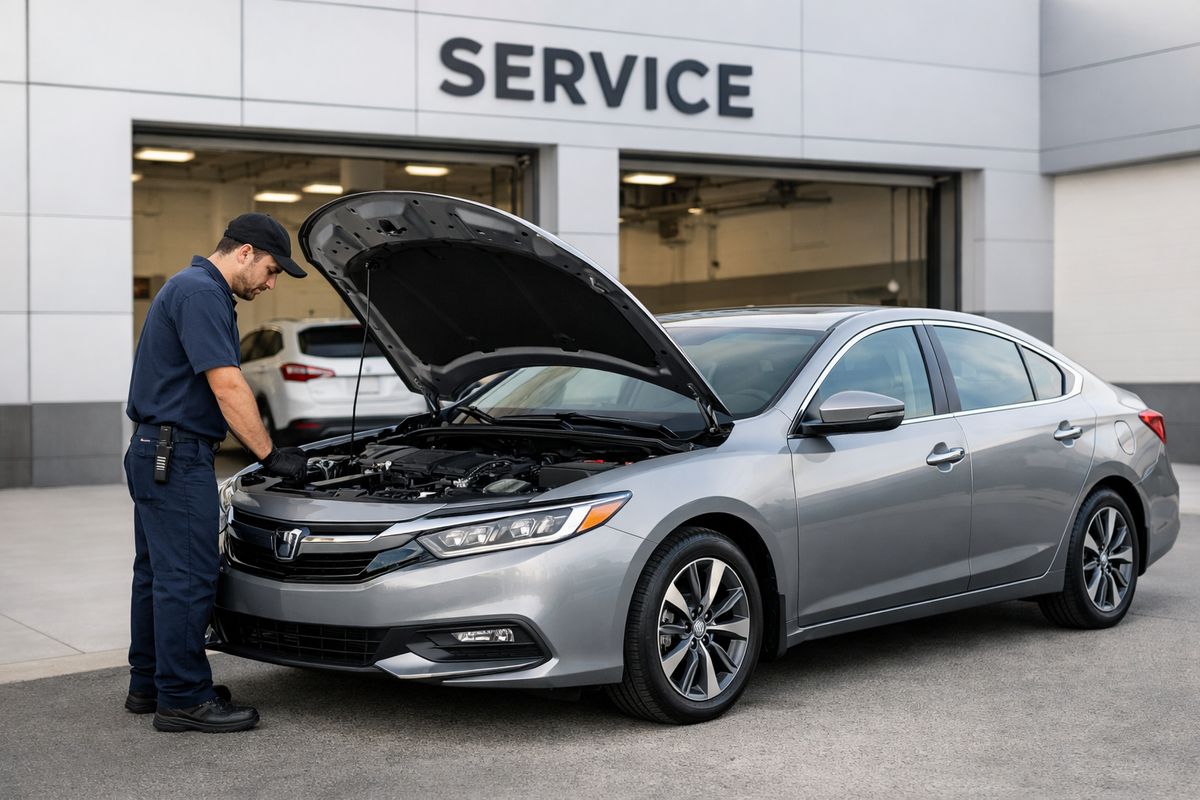
A car with repeated repair visits raises obvious concerns. If the vehicle hesitates, stalls, shifts hard, leaks fluids, flashes warning lights, or has a long service history, the offer usually drops. Even if the car looks great in the parking lot, the repair file can tell a very different story.
The trade-in value drops faster than most drivers expect
Every car depreciates. That part is normal. But a defective one often drops faster because the usual depreciation gets piled on top of drivability issues, lower buyer demand, and the dealer’s risk.
Think of it like trying to sell a nearly new phone with a cracked screen and a battery that dies at 40 percent. It is still a phone, sure, but nobody pays full value once the problem is obvious. Cars work the same way, only the money is much bigger.
If your 2024, 2025, or 2026 vehicle has already been in for repeat engine, transmission, electrical, or braking complaints, the dealer may assume more repairs are coming. That assumption gets priced into the trade offer. If you want a deeper look at how this loss shows up on paper, this explanation of why bad cars often cost more at trade-in time lays it out clearly.
Negative equity can make the deal even worse
Negative equity means you owe more on the loan or lease payoff than the car is worth. If your defective car is valued at $28,000 but your payoff is $34,000, that $6,000 gap does not disappear.
It usually gets rolled into the next deal.
That is the catch. Your next monthly payment can end up covering two problems at once: the newer vehicle you want and the leftover balance from the defective one. On paper it may look like one loan. In reality, it is one problem hiding inside another.
The catch: trading in the car can undercut a buyback or lemon law claim
For many Florida drivers, this is the part that matters most. If your newer vehicle is still under warranty and keeps going back for the same problem, trading it in too soon can weaken a potential buyback, replacement, or compensation claim.
A lot of recovery options depend on the defect history tied to that specific vehicle. Once you sign the trade papers and the car is gone, you may make it harder to show exactly how bad the problem was, how often it happened, and how long the manufacturer had to fix it.
Why repair history matters
Repair orders are not just paperwork. They are the timeline of what went wrong, when you reported it, what the dealership tried, and whether the issue kept coming back.
If your records show repeated complaints for the same stalling issue, multiple visits for transmission slipping, or weeks waiting for parts, that paper trail can support a claim for a repurchase, replacement, or cash recovery. This is especially true when the dealership writes things like “could not duplicate concern” or “no problem found,” even though the problem clearly continued. If your file feels messy, this guide on which records can support your case helps show what matters.
Why timing matters before you sign the trade-in papers
Once the vehicle leaves your hands, proving the full scope of the defect can get harder. You may still have records, but you lose easy access to the actual car, the current condition, and the ability to document what it is doing now.
That matters more than most drivers expect. The pressure moment often happens in a dealership office, maybe after another failed repair, when trading sounds easier than arguing. But signing fast can cost you more than the low trade number. It can also cut into leverage you may have had while the vehicle was still in your possession.
If your car is newer and under warranty, learning the basics of which Florida vehicles can qualify for relief before you trade can save you from making an expensive call too early.
Signs your vehicle problem may be more than “bad luck”
Not every repair issue turns into a legal claim. Cars need fixes sometimes. But some patterns go well beyond normal ownership headaches.
The same problem keeps coming back
A recurring defect is one of the clearest warning signs. Maybe the engine misfires, the transmission jerks between gears, the car stalls at red lights, or the electrical system throws the same warning over and over. You bring it in, pick it up, and within days or weeks the same issue is back.
That is not just annoying. It can show that the underlying defect was never truly fixed. If you keep cycling through the same complaint, this breakdown of why repeat vehicle problems matter can help you recognize the pattern.
Major parts have already been replaced
An engine replacement or transmission replacement on a newer vehicle is a big deal. It is not routine maintenance, and it is not something most owners expect to deal with in the first years of ownership.
Sometimes the replacement solves the issue. Sometimes it does not. If the transmission was replaced and the vehicle is still shuddering, slipping, or hesitating, that is a red flag, not a fresh start. The same goes for an engine swap followed by continued warning lights, rough running, or loss of power.
Your car has spent weeks in the shop
Long shop time matters because your car is supposed to be usable, not parked behind a dealership fence waiting on diagnostics or backordered parts. Three weeks at the dealership in Fort Lauderdale waiting on a transmission is not a minor inconvenience when you still have work, school drop-offs, and payments due.
Extended downtime can also help show that the defect is serious. If your vehicle has been unavailable for long stretches, this look at when too many days in the shop becomes meaningful is worth reading.
Options you can look at before trading it in
Before you hand over the keys, check the options that may preserve more value than a trade-in.
Manufacturer buyback
A manufacturer buyback means the manufacturer takes the vehicle back instead of leaving you to unload it at a discount. Depending on the facts, you may recover money tied to the purchase or lease rather than accepting a dealer’s low trade offer.
This is very different from a trade-in. In a trade-in, the dealer decides what your defective vehicle is worth on the open market. In a buyback situation, the focus is on the defect, the warranty history, and whether the vehicle should be repurchased because it was not properly fixed. If you want the simple version, this page on how repurchase options work for Florida drivers covers the basics.
Replacement vehicle
Sometimes a replacement vehicle may be an option instead of a buyback. That means the defective vehicle is exchanged through a claim process, not just discounted as a bad trade at the dealership.
The practical difference is huge. A trade-in treats your car like damaged inventory. A replacement claim treats it like a warranty problem that may justify a better outcome.
Cash compensation while keeping the vehicle
Not every case ends with the manufacturer taking the car back. In some situations, compensation may make more sense, especially when the problem caused repeated repair hassle, long downtime, or loss of use, but you want to keep the vehicle.
That kind of outcome depends on the repair history and the specific defect. But it can be an option, and it is often overlooked by drivers who assume the only choices are “keep suffering” or “trade it in.”
What to gather before you make a move
A few documents can make a huge difference if you are trying to decide between trading in the car, asking for a buyback, or getting a case review.
Repair orders and service records
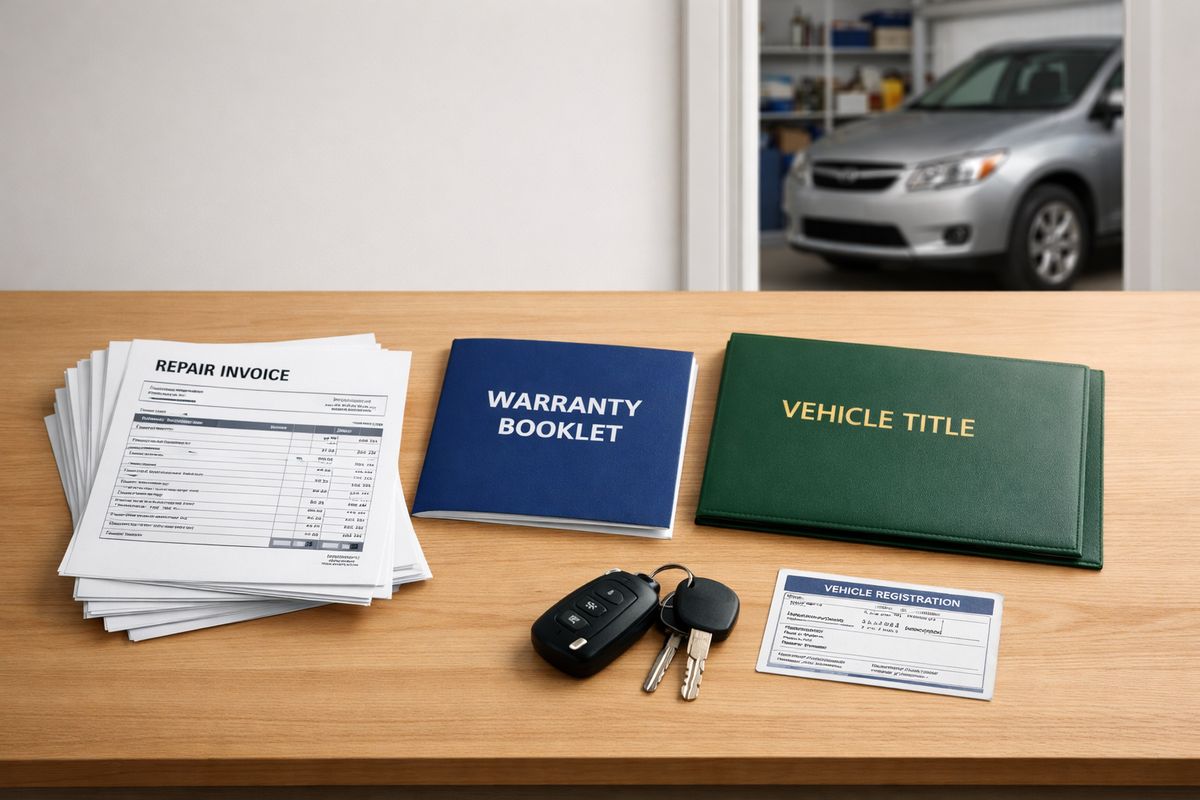
Pull every repair order, invoice, and visit summary you have. Yes, even the ones that say “no problem found.” Those can still help show you reported the issue, returned for the same complaint, and gave the dealership more than one chance to fix it.
If your glove box is stuffed with service papers, start there. If not, ask the dealership for a full printout of the repair history.
Purchase or lease documents
Gather the sales contract or lease agreement, finance paperwork, warranty booklet, registration, and any documents showing the delivery date and current payoff. Those records help connect the timing of the defect to the vehicle’s purchase or lease status.
This becomes even more relevant if you are leasing. A leased car can still have recurring defect issues, and the rules are not always what people assume. If that applies to you, this page on how Florida handles leased vehicles with repeated problems is a useful place to start.
Notes about days out of service
Write down the dates the car was in the shop, what symptoms you noticed, when they started, and how the problem disrupted daily life. Keep it simple and factual.
For example: “Vehicle at dealership for 19 days, transmission slipping on acceleration, no reliable transportation for work.” That kind of note is more useful than a vague memory six months later.
Common questions about trading in a defective car
Do you have to tell the dealer the car has problems?
A dealer will often uncover problems through inspection, diagnostics, auction review, and service records anyway. In practical terms, recurring defects have a way of showing up. Trying to rush past that reality usually does not protect your wallet.
Can you trade in a leased car with recurring defects?
Yes, but the same financial risk can still apply. A leased vehicle with repeated warranty issues may also have buyback or compensation potential, so trading it in too quickly can still cost you.
Is it better to trade it in or ask for a case review first?
If your vehicle is newer, still under warranty, and keeps failing, a case review first is usually the smarter move. It helps you understand whether trading it in would mean giving up money or options you may have been able to pursue.
When it makes sense to get help
If your 2024 to 2026 vehicle has repeated repairs, engine or transmission failure, or long stays in the shop, getting a case review before the next dealership visit can help you see the full picture. That one step can tell you whether you are looking at a simple trade problem or something bigger.
Try this before you do anything else: gather your vehicle’s year, make, model, and the number of repair attempts. Those details matter, and having them in front of you can change the conversation fast.
Frequently asked questions
Can you trade in a defective car that still runs?
Yes, a running vehicle can still be traded in. But if it has recurring defects, warning lights, or a long repair history, the offer may be much lower than you expect.
Does an engine or transmission replacement mean your car is a lemon?
Not automatically. But a major component replacement on a newer vehicle is a serious sign, especially if problems continue after the repair.
What if the dealership says the issue is normal?
That does not end the story. If you keep noticing the same problem and returning for repairs, the history still matters, even when the dealership downplays it.
Will a trade-in erase your chance at compensation?
It can make things harder. Once the vehicle is gone, proving the full condition, recurring symptoms, and ongoing defect history may become more difficult.
Should you keep driving the car while deciding what to do?
That depends on safety. If the issue involves stalling, braking, steering, or anything that feels unsafe, do not treat it like a minor inconvenience just because the car still moves.
Talk to jonathan about your vehicle
Jonathan D. Schwartz, the attorney behind Bad Vehicle, helps vehicle owners understand Lemon Law options. You can have your repair history reviewed, get answers to your questions, and figure out the next step for a potential claim.
Your case review is free, and you pay no attorney fees unless you win.
Schedule your free consultation with Jonathan
Think your vehicle may qualify?
Have your repair history reviewed and find out what options may be available under Lemon Law or warranty law.