
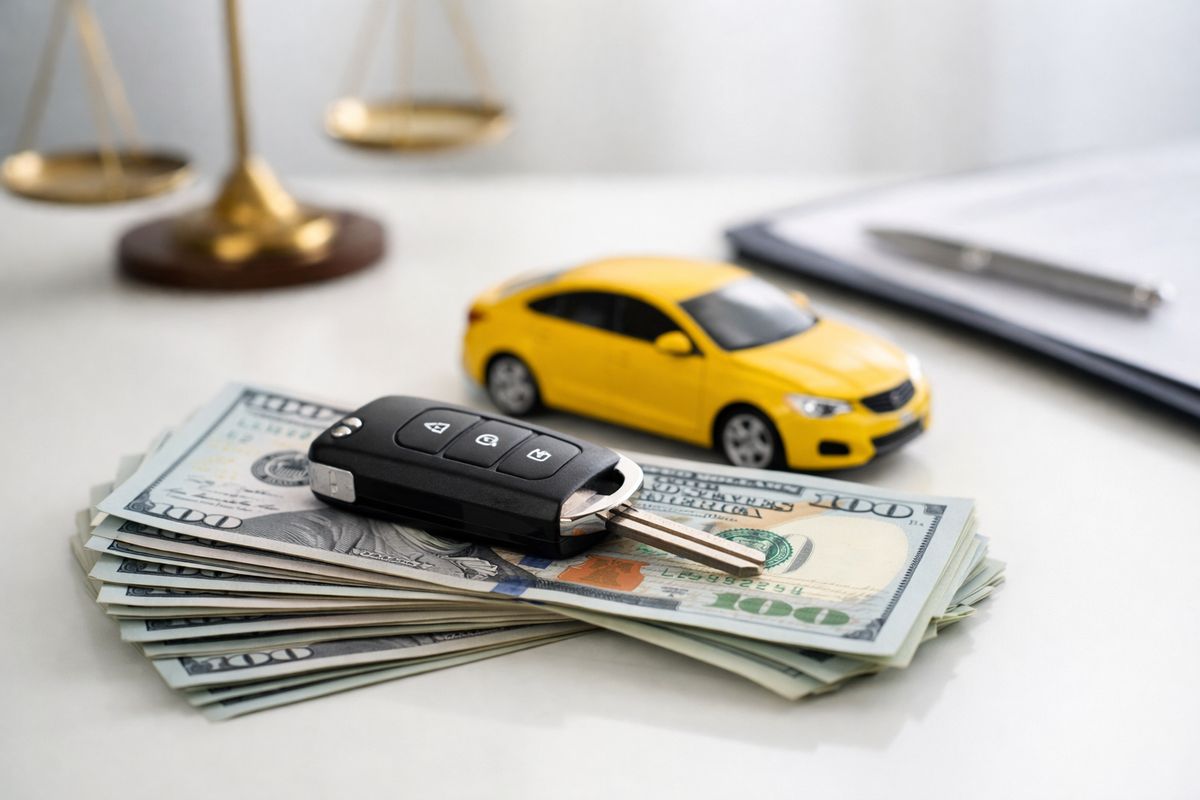
Florida drivers dealing with repeated warranty repairs on 2024 to 2026 vehicles often ask whether cash compensation lemon law settlements make more sense than a buyback or replacement. In most reported claim patterns, cash compensation fits when the owner or lessee wants to keep the vehicle, while buybacks lead when major failures or safety concerns make continued ownership a bad bet.
Quick overview of lemon law compensation options
Lemon law outcomes generally fall into three categories: manufacturer repurchase, replacement vehicle, or a cash settlement that resolves the claim without taking the vehicle back. Consumer-law firms that handle these cases routinely describe cash compensation as the keep-the-car option, while buybacks and replacements are exit remedies.
That distinction matters in Florida, where a claim can involve both state lemon law procedures and warranty-based claims. For drivers comparing outcomes, the practical question is simple: keep the vehicle and get paid, or end the ownership problem entirely.
What “cash compensation” means in a lemon law case
Cash compensation, often called cash and keep, means the manufacturer pays money to settle the defect claim and the consumer keeps the vehicle. Attorneys and consumer advocates distinguish that result from a repurchase, where the manufacturer takes the vehicle back, and from a replacement, where another comparable vehicle is provided.
The settlement amount is tied to the repair history, defect severity, downtime, and the effect on value or use. It is not the same as a refund of the purchase price. It is payment to resolve the claim while ownership or the lease position remains in place.
Cash compensation vs. manufacturer buyback
A buyback is the cleaner remedy when the vehicle has become a liability. The manufacturer generally repurchases the vehicle, addresses the outstanding loan balance as part of the resolution, and ends the ownership cycle. For drivers facing repeated engine failure, transmission replacement, or serious safety defects, that result is often stronger than taking money and holding onto the same car.
Cash compensation works differently. The title stays put, the loan usually remains active, and the owner keeps the risk that the vehicle will continue to underperform or lose value. That is why drivers dealing with ongoing repeat repairs often compare a settlement against a full exit before accepting payment.
Cash compensation vs. replacement vehicle
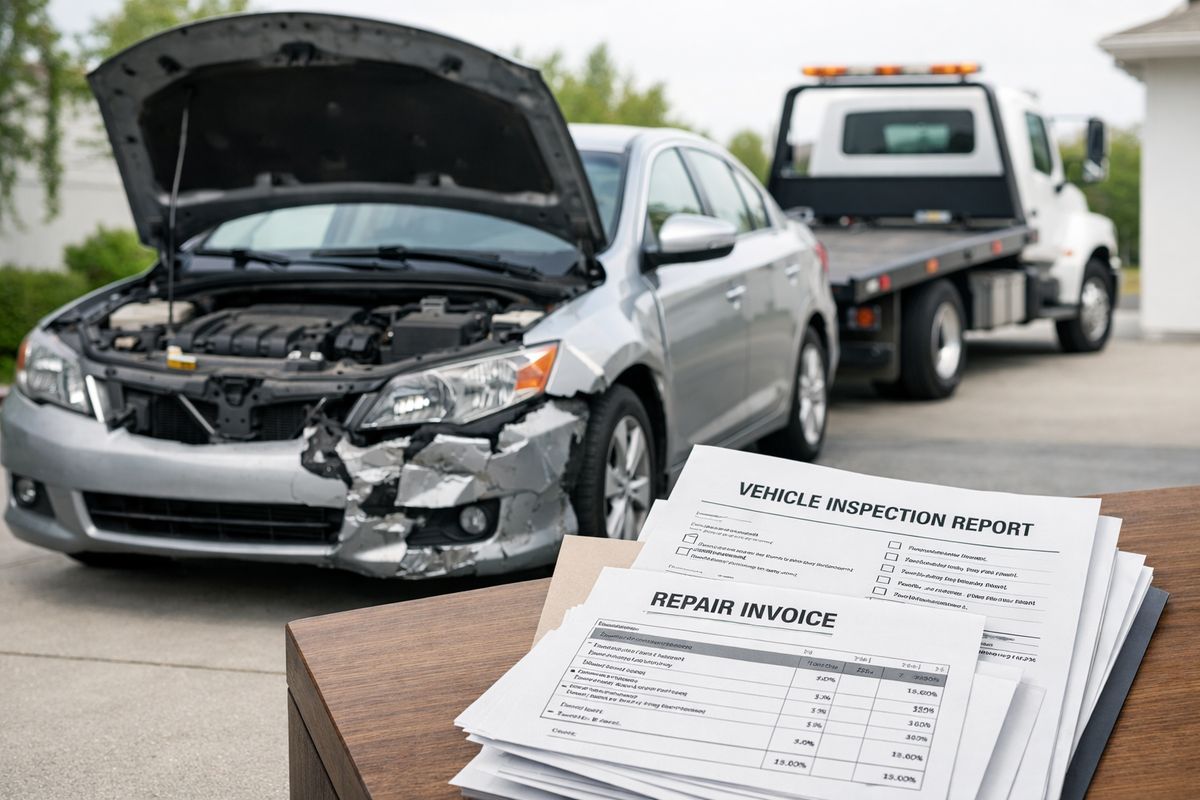
A replacement vehicle sounds straightforward, but in practice it is often harder to deliver. Matching trim, equipment, incentives, and inventory can delay the process, particularly with newer model-year vehicles and supply constraints. Attorneys who handle these claims regularly report that negotiated cash resolutions and buybacks are more common than one-for-one replacements.
Cash compensation avoids the inventory problem. A replacement, however, remains appealing when the consumer wants to stay with the same brand and a comparable vehicle is actually available. The tradeoff is timing and precision. If the exact substitute cannot be found, the replacement option quickly loses its appeal.
When cash compensation fits best
Cash settlements fit best when the repair history is strong but the vehicle remains usable enough that the owner or lessee prefers not to unwind the entire deal. That includes drivers tired of repeated dealership visits, vehicles that spent long stretches in service, and owners looking to offset lost value rather than start over.
Drivers who want to keep the vehicle
Some owners want payment because the defect has been repaired enough to make the car tolerable, even if confidence in the vehicle is lower than it should be. Others face a market where replacing the vehicle costs more than keeping it. In those cases, cash compensation can offset diminished value and the disruption already suffered.
Lessees evaluating a practical exit or payment
Lessees often face a narrower economic decision. If repeated warranty repairs disrupted use but the lease term is manageable, compensation can make sense. If the vehicle remains unreliable, a lease-focused exit often carries more value, especially where monthly obligations continue on a defective car. Florida lessees comparing those paths often start with how lease claims are treated under state rules.
Vehicles with repeat repairs but ongoing use
Many cash settlements arise from vehicles that still run, but keep returning for the same issue. That pattern matters. A drivable vehicle with a documented recurring defect is more compatible with cash and keep than a vehicle that stalls, strands the driver, or remains unsafe after major component work.
When cash compensation is the wrong fit
Cash compensation is a poor fit when the defect goes to safety, reliability, or basic transportation. A vehicle that repeatedly breaks down, shuts off, fails to shift, or remains untrustworthy after engine or transmission replacement is usually a buyback case, not a keep-the-car case.
That balancing point appears throughout practitioner guidance. The stronger the evidence that the vehicle cannot be trusted, the weaker the logic of keeping it just because money is on the table. Florida drivers dealing with a car that sat at the dealer for weeks often find that downtime itself supports a more aggressive remedy.
What factors affect the amount of cash compensation
Settlement value turns on documented facts: the number of repair attempts, total days out of service, the seriousness of the defect, mileage, and whether the issue undermines safety, use, or resale value. Attorneys consistently report that better records produce stronger settlement leverage.
Repair history and number of attempts
Repeated visits for the same defect tell the manufacturer the problem is real and unresolved. A complete paper trail also helps counter familiar dealership responses, including the claim that nothing is wrong or that the condition is normal. Consumers facing that defense often need records showing the same issue kept returning.
Time out of service
Weeks in the shop document more than inconvenience. They show loss of use, missed work, rental expense, and extended disruption. Florida claim evaluations often focus heavily on how many service days accumulated because downtime is easy to prove and hard to minimize.
Type of defect and major component failure
Major failures usually increase both the urgency and value of a claim. Engine replacement, transmission failure, recurring electrical defects, and repeated no-start conditions all signal a more serious loss than a minor annoyance. When a major component has already been replaced and the vehicle still cannot be trusted, cash compensation loses ground to buyback.
What cash compensation can cover
Reported settlements often address diminished value, towing, rental costs, out-of-pocket expenses, and payments made while the vehicle was unusable. Some claims also account for the financial hit tied to trying to unload a defective car. Owners considering that route often discover that trading out of the problem can lock in a loss.
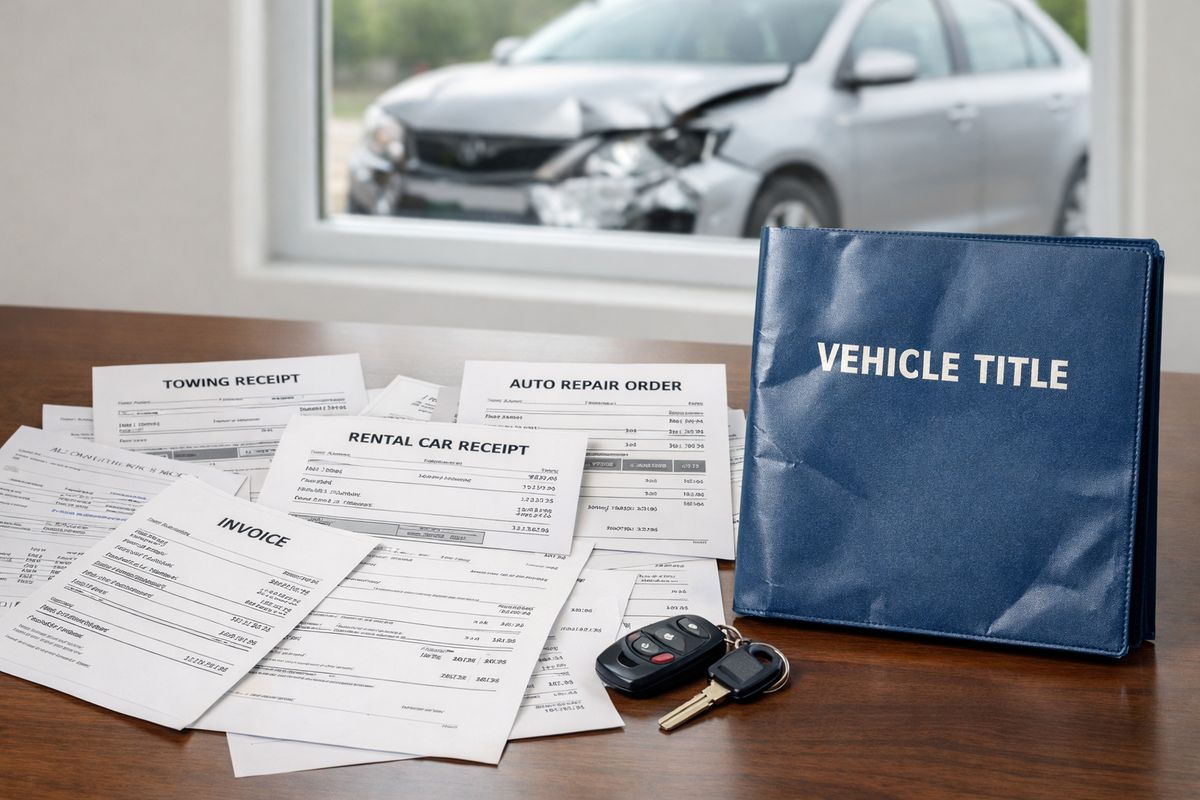
What compensation covers depends on the governing claim and the settlement terms. The common thread is documentation. If the expense or loss is not supported by invoices, repair orders, payment records, or mileage history, it carries less weight.
How loans, leases, and trade-in plans affect the decision
An active loan changes the math because the consumer still owes money on a vehicle that may be worth less than expected. Cash compensation can soften that blow, but it does not remove the loan. A buyback does. The same logic applies to negative equity risk and trade-in plans.
Leases create a separate set of issues involving remaining payments, usage, and whether the lessee wants out or prefers compensation for disruption. In both situations, the financial structure matters as much as the mechanical defect.
How the lemon law claim process works before cash is offered
Before any manufacturer offers cash, the claim record has to exist. That usually means gathering repair orders, tracking recurring symptoms, confirming warranty coverage, and reviewing whether the defect meets the threshold for a repurchase, replacement, or settlement.
Records that strengthen a cash compensation claim
The strongest files include repair invoices, dates in and out of service, warranty documents, notes about recurring conditions, and receipts for related losses. A focused checklist of the documents that support a vehicle defect claim often makes the difference between a vague complaint and a settlement-ready case.
Why a free case review matters
Law firms evaluate the same core facts every time: year, make, model, defect history, repair count, and downtime. That review helps determine whether cash compensation, repurchase, or replacement is the better demand. A typical case review process for these claims starts with those records.
Attorney fees and case costs
Lemon law and warranty claims often include fee-shifting provisions, meaning the manufacturer pays attorney fees when the consumer prevails or the case resolves favorably. Firms handling these cases frequently state that consumers do not pay fees upfront and owe fees only if the claim succeeds.
The balancing point is settlement structure. Fee treatment depends on the statute invoked, the procedural posture, and the negotiated terms.
Timing: how long cash compensation takes
Cash settlements often move faster than replacements and sometimes faster than buybacks because they do not require inventory matching or vehicle surrender logistics. Even so, timing depends on how complete the documentation is and how quickly the manufacturer evaluates liability.
Cases with clear repair histories and long downtime usually move more efficiently than claims with missing records or scattered complaints across multiple dealers.
Cash compensation in florida lemon law context
Florida owners and lessees with 2024 to 2026 vehicles often pursue relief under state lemon law procedures, warranty law, or both. The route affects the remedy. In some Florida matters, statutory repurchase remains the headline outcome. In others, negotiated cash compensation resolves the dispute more directly.
That is why the threshold question is not simply whether the vehicle qualifies, but whether the defect pattern supports keeping it. Florida consumers sorting through the state’s basic qualification rules usually reach the remedy question quickly.
When to choose cash compensation instead of a buyback or replacement
Cash compensation is the better choice when the vehicle is still usable, the owner or lessee wants to keep it, and the repair record supports payment for lost value or disruption. Buyback is stronger when the vehicle remains unreliable, unsafe, or financially toxic because of loan balance, major failures, or repeated downtime. Replacement makes sense only when a truly comparable vehicle is available without delay.
Verdict: when cash compensation fits
Cash compensation lemon law settlements fit drivers and lessees who want to keep the vehicle and have a documented defect history strong enough to justify payment. Buyback is the stronger remedy for unsafe vehicles, repeated breakdowns, major engine or transmission failures, and cars that spent too much time in the shop to trust again.
Talk to Jonathan About Your Vehicle
Jonathan D. Schwartz, the attorney behind Bad Vehicle, helps vehicle owners understand their Lemon Law options. He can review repair history, answer questions, and help determine the next steps for a potential claim.
The case review is free, and there are no attorney fees unless the case is won.
Schedule a free consultation with Jonathan: https://badvehicle.com/schedule-your-consultation/
Frequently asked questions
Is cash compensation the same as a lemon law buyback?
No. Cash compensation means the manufacturer pays money and the consumer keeps the vehicle. A buyback means the manufacturer takes the vehicle back and resolves the ownership or lease position.
Does cash compensation work for leased vehicles?
Yes, leased vehicles can qualify for compensation or other lemon law remedies when repeated warranty repairs disrupt use. The better remedy depends on the lease terms, repair history, and whether keeping the vehicle still makes financial sense.
What makes a cash settlement worth more?
The biggest drivers are repeat repair attempts, long periods out of service, serious defects, major component failures, and clear records showing financial loss or reduced value.
When is a buyback better than cash compensation?
A buyback is usually better when the vehicle remains unreliable or unsafe, especially after engine, transmission, electrical, or braking problems continue despite repair attempts.
Does the manufacturer have to offer cash first?
No. Cash is one possible settlement outcome after the manufacturer reviews the repair record and claim posture. Some cases move toward repurchase or replacement instead.
Can cash compensation cover trade-in loss or other expenses?
It can include diminished value and documented out-of-pocket losses, depending on the legal basis of the claim and the negotiated settlement terms.
Think your vehicle may qualify?
Have your repair history reviewed and find out what options may be available under Lemon Law or warranty law.