If the same vehicle has been back to the shop again and again, the phrase manufacturer buyback options starts sounding less like legal jargon and more like a lifeline. I know how that feels. The exhaustion is real when a car payment keeps coming due but the vehicle itself keeps failing, and this guide is the clearest way I know to sort out what may actually be worth asking for in Florida.
What “manufacturer buyback options” usually means in florida
The part nobody warns about is how confusing this gets once the dealership stops giving straight answers. A manufacturer buyback usually means the vehicle maker repurchases the defective vehicle after repeated warranty problems. In practice, that can overlap with Florida lemon law rights, warranty claims, and manufacturer settlement discussions.
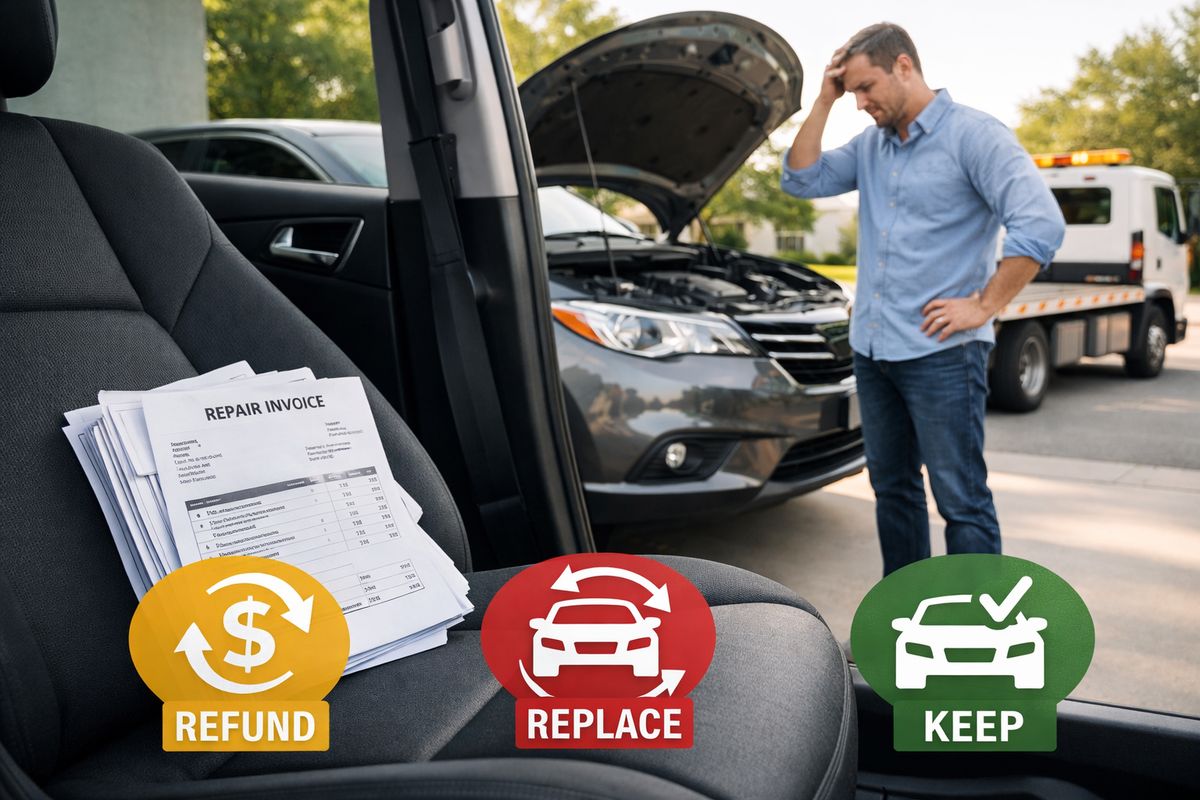
A buyback is only one possible outcome. Sometimes the better path is a replacement vehicle. Sometimes it is compensation to keep the car, especially if the problem has a serious history but the facts do not line up cleanly for a full repurchase. What helped me understand this category was treating it like a comparison, not a single magic solution.
For anyone trying to get oriented, it helps to first understand what can qualify under Florida standards. That background makes the rest of the decision less murky.
The three outcomes I’d want to compare first
A buyback means the manufacturer takes the vehicle back and refunds eligible amounts, often with some deduction tied to mileage or use.
A replacement means the defective vehicle is swapped for another comparable vehicle instead of unwinding the original deal through a refund.
Cash-and-keep compensation means money is paid to resolve the dispute while the owner or lessee keeps the vehicle. I have seen why that appeals to people who are tired, underwater on a loan, or dealing with a defect that has been partly repaired but still matters. There is a fuller breakdown of when a cash settlement can fit better than repurchase.
Why recurring repairs often point to more than “bad luck”
One failed repair can be random. Four visits for the same transmission shudder usually are not. Repeated repair attempts, a replaced engine that does not solve the problem, or weeks without the vehicle often point to a substantial defect affecting use, value, or safety.
I have watched these cases follow the same pattern: the symptom gets renamed, the vehicle is returned, the problem comes back, and the owner starts doubting what is obvious. That loop is often the signal that the issue is bigger than a simple service appointment.
When a florida driver may be able to ask for a buyback
The strongest buyback requests usually involve a substantial defect, repeated repair attempts, or long periods out of service while the vehicle remains under manufacturer warranty. I would not treat any one fact as automatic, but I would treat a pattern as meaningful.
Florida cases often turn on practical proof, not just frustration. The real question is whether the records show a serious defect that the manufacturer or dealer could not fix within a reasonable number of tries, or within a reasonable amount of time.
Repeated repair attempts for the same defect
This is one of the clearest signals. If the same issue keeps returning, especially after multiple dealer visits, that history can support a buyback request. The move that actually helped in similar situations was keeping every repair order and checking whether the complaint was written down accurately each time.
A deeper look at how repeat visits are usually evaluated can make this part much easier to assess.
Long stretches without the vehicle
Weeks in the shop matter. Even if the dealer insists parts are delayed or the repair is complicated, extended downtime can strengthen the case that the vehicle is not providing normal, reliable use.
I have seen people minimize this because the car was technically being “worked on.” But if the vehicle is unavailable for long stretches, that lost use is part of the story. More detail on when shop time starts becoming legally meaningful helps frame that point.
Engine, transmission, and major system failures
Major powertrain failures tend to get taken more seriously because they directly affect reliability, safety, and resale value. A replaced engine or transmission does not automatically guarantee a buyback, but it is rarely a minor fact.
If the vehicle still had problems after major component work, that usually raised the stakes. I would pay close attention to post-repair drivability, warning lights, stalling, hesitation, hard shifting, and repeat failures involving steering, brakes, or electrical systems tied to safe operation.
New, leased, and possibly qualifying newer used vehicles
Most buyback discussions in Florida involve new vehicles, leased vehicles, or newer vehicles still covered by a manufacturer warranty. Exact eligibility depends on the vehicle, timing, and repair history, which is why blanket answers are so unreliable.
Leased vehicles get overlooked all the time, even though they can still matter here. Anyone sorting through that angle can compare the details in this explanation of leased-car claims in Florida.
What a manufacturer buyback can include
This is where emotions and numbers collide. I have seen people rush into a bad trade-in because they assume a buyback would never cover enough to matter. Sometimes that assumption is expensive.
Possible refund items in a buyback
A buyback may include the down payment, monthly payments already made, sales tax, registration fees, and in some cases finance-related charges or certain incidental costs tied to the defect. The exact categories depend on the claim and how the resolution is structured.
That is why I would never compare a trade-in offer to the purchase price alone. The full financial picture can be much broader than the dealership makes it sound.
Why mileage offsets and deductions come up
A buyback is not always a full every-dollar-back result. Manufacturers often argue for a usage-based deduction, sometimes called a mileage offset, based on how long the vehicle was driven before the defect substantially showed itself.
That can feel unfair, honestly, especially after months of inconvenience. But it is normal for this issue to come up, and it should be factored into any realistic comparison.
When a replacement or settlement may make more sense
A replacement can make sense if the owner still wants the same kind of vehicle and wants less financial untangling. Cash compensation can make sense when the defect history is meaningful but the car remains usable enough that keeping it is not out of the question.
I would also look hard at lease situations, partial repair success, and timeline pressure. Sometimes the “best” option is the one that gets the cleanest result without months of avoidable fighting.
The steps that actually help before asking for a buyback
This is the part I wish more people started with. Not because paperwork is exciting, but because cases get stronger when the facts are organized before emotions take over.
Gather the repair history and warranty paperwork
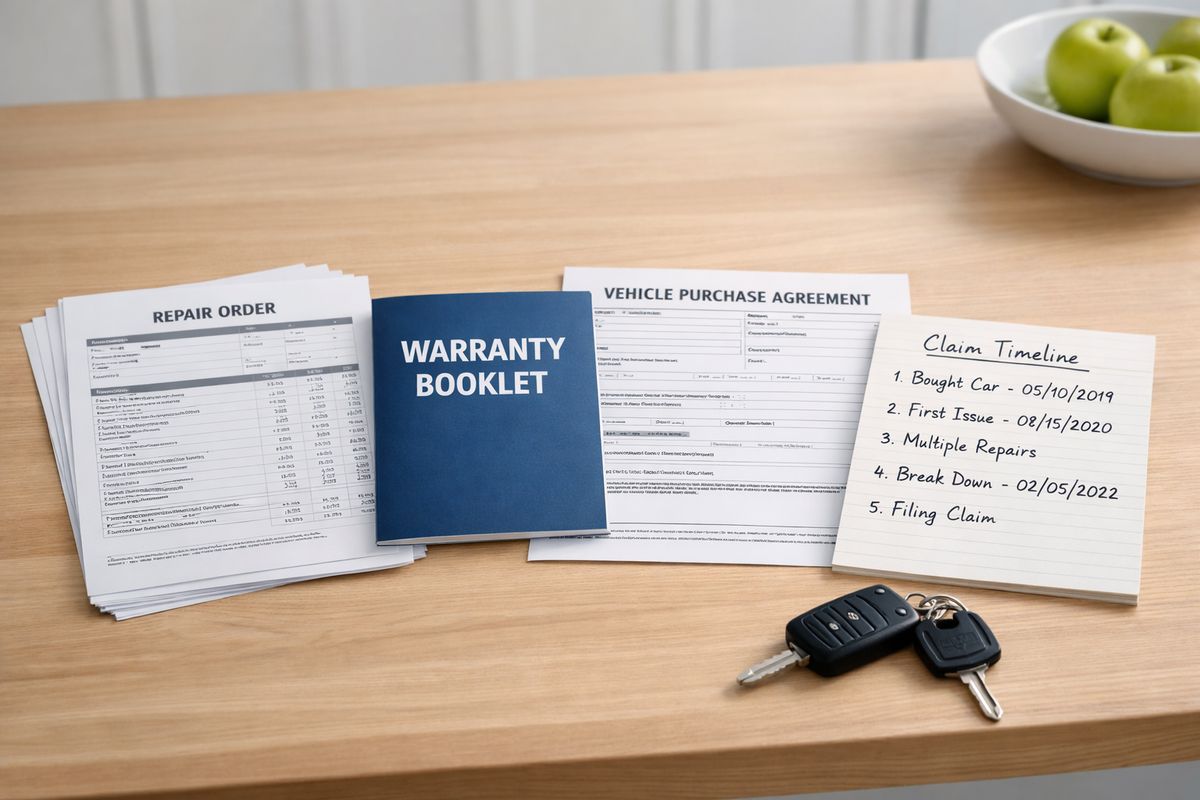
The most useful documents are repair orders, invoices, warranty booklets, purchase or lease contracts, dates the vehicle was in the shop, and notes about recurring symptoms. I have seen a messy stack of papers turn into a clear timeline once everything was put in date order.
If the paperwork is incomplete, this guide to the records that usually matter most is a good reality check.
Make sure the complaint is described the same way every time
Consistency matters more than most people realize. If one invoice says “hard shifting,” another says “hesitation,” and another says “customer states noise,” the file may look like three unrelated complaints even if it was the same problem the whole time.
What worked best was using the same plain description every visit, with the same main symptom and when it happened. That kept the pattern visible.
Ask the manufacturer, not just the dealership
Dealers perform repairs. Manufacturers decide larger remedies. That distinction matters.
Opening a case with the manufacturer can create a paper trail beyond the service lane and may move the issue out of the cycle of endless appointments. It also makes clear that the problem is no longer just a local service complaint.
Get a case reviewed before trading the vehicle in
This may be the most expensive mistake to avoid. Trading in a defective vehicle too early can lock in a loss that might have been avoidable through a buyback, replacement, or settlement review.
I understand the temptation. After enough failed repairs, unloading the car feels like relief. But anyone staring at a lowball offer should at least read about how much can be lost by dumping the car too soon.
Common mistakes that can weaken a buyback request
A strong case can get harder fast when the records are thin or the repair history gets blurred. Most of the damaging mistakes are small at first, then become a problem later.
Waiting too long to organize the paper trail
Repair orders disappear. Dates get fuzzy. Details that felt unforgettable somehow vanish six months later.
That is why I trust timelines more than memory. A clean folder with dates, mileage, complaints, and days out of service often does more work than a long explanation ever could.
Letting the dealership minimize the repeat problem
“Could not duplicate” is one of those phrases that can quietly wreck a claim if it keeps showing up unchecked. So can vague summaries that fail to capture stalling, slipping, no-start conditions, or safety concerns.
I would push for accurate write-ups every time, especially when the dealer starts acting like the issue is normal wear, driver habit, or imagination.
Paying out of pocket without asking how it affects the claim
Towing, rentals, diagnostics, and outside repair costs can all matter. So can unauthorized repairs that give the manufacturer an argument later.
I would track every expense tied to the defect and be cautious before approving major out-of-pocket work on a vehicle still under warranty.
Assuming a recall automatically guarantees a buyback
A recall can help show there is a real defect, but it does not automatically create a buyback right. Technical service bulletins, recalls, warranty claims, and lemon law remedies overlap, but they are not the same thing.
That distinction matters because people often hear “there’s a recall” and assume the refund question is settled when it is not.
How to decide whether to pursue a buyback, replacement, or compensation
By this point, the goal is not to chase every possible remedy. It is to compare the realistic ones. I would weigh downtime, repair count, defect severity, financial loss, and how much trust remains in the vehicle.
The signs a buyback request may be worth pushing
A buyback request usually deserves serious attention when there were multiple unsuccessful repairs, a major engine or transmission event, repeated safety-related failures, or weeks out of service. Cases also get more compelling when the same issue returns after a supposed fix. Anyone dealing with that loop may want to compare notes with what recurring post-repair problems can mean.
When a replacement vehicle may feel cleaner than a refund fight
Sometimes replacement is emotionally easier. There is less focus on refund math, less unwinding of the original transaction, and sometimes a faster path back into a usable vehicle.
I understand the appeal. When a model still fits the family, the commute, or the lease structure, replacement can feel like closing the chapter without debating every dollar.
The small first move that helped me most
The most useful starting point I have seen was brutally simple: write down the vehicle year, make, model, repair count for the main problem, and total days out of service. That one page tends to reveal whether the issue sounds isolated or whether it has started looking like a buyback, replacement, or compensation case.
Frequently asked questions
Does a manufacturer buyback mean the dealership buys the car back?
Usually no. The dealership may handle repairs, but the manufacturer is typically the party involved in a formal repurchase decision or larger settlement.
Can a leased vehicle qualify for a buyback or replacement?
Yes, sometimes. Lease status does not automatically block a claim, especially when the vehicle is still under manufacturer warranty and has a strong repair history.
Is an engine replacement enough by itself to win a buyback?
Not by itself. But an engine replacement is a serious fact, especially if problems continue afterward or the vehicle spent a long time out of service.
Do minor problems count if they keep happening?
Sometimes repeated “minor” problems add up, but buyback requests are usually stronger when the defect affects use, value, or safety in a meaningful way.
Should a trade-in happen before asking about a buyback?
I would be careful. Once the vehicle is traded, some leverage may disappear and a significant financial loss may already be locked in.
Talk to jonathan about your vehicle
Jonathan D. Schwartz, the attorney behind Bad Vehicle, helps vehicle owners understand their Lemon Law options. He can review repair history, answer questions, and help determine the next steps for a potential claim.
The case review is free, and there are no attorney fees unless there is a win.
Schedule a free consultation with Jonathan
Think your vehicle may qualify?
Have your repair history reviewed and find out what options may be available under Lemon Law or warranty law.