
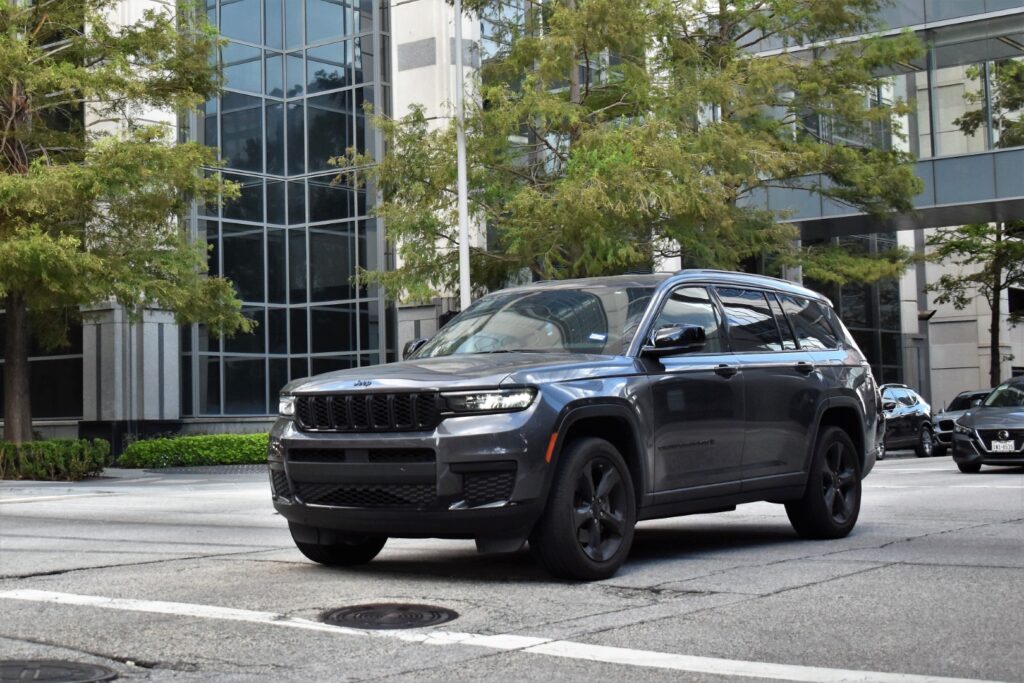
Jeeps, including the Grand Cherokee model, enjoy a relatively strong reputation as a reliable and well-designed sport utility vehicle. However, recent iterations of different Jeep models, including the signature Grand Cherokee, have fallen short of Jeep’s reputation and been derided as lemons. This is because some of the recent Jeep Grand Cherokee models have displayed major reliability and safety issues, including heightened fire risks and total power loss.
If your Jeep Grand Cherokee has persistent mechanical or performance issues, reach out to Bad Vehicle to discuss your legal rights and options.
Common Problems Associated with the Jeep Grand Cherokee and Other Jeep Models
Many new and pre-owned Jeep vehicles, including the Grand Cherokee, have persistent issues that impact the vehicle’s ride, comfort, drivability and safety. Below are some examples of common issues reported by Jeep Grand Cherokee owners:
- Power failure
- Hybrid battery fires
- Engine problems (including engine failure)
- Oil leaks
- Stalling
- Coolant leaks
- Shaking
- Transmission issues
- Hesitation on acceleration
- Failure to accelerate
- Failure to go into gear
- Hard or harsh shifting
- Jerking or jolting
- Steering Problems
- Pulls or wanders to one side
- Excessive play in steering
- Vibration
- Slipping or shuddering when turning
- Illumination of various warning lights
- Radio malfunctions
- Reverse camera malfunctions
Grounds for a Jeep Grand Cherokee Lemon Law Claim
In many states, a defective Jeep Grand Cherokee may be eligible for a Lemon Law claim if it meets the following criterion:
- The Jeep was purchased or leased from a dealership within the last 24 months.
- You have made at least three attempts to fix the same issue.
- The vehicle has spent at least 30 nonconsecutive days in the shop for repairs.
Steps to Take
First, document everything. Keep detailed records of every repair attempt, including dates, descriptions of problems, repair orders, and receipts. These documents are crucial evidence for your claim.
Second, provide written notice to the manufacturer about the defect. Many manufacturers have specific addresses for lemon law notices, which can typically be found in your owner’s manual or warranty booklet.
Third, if the manufacturer cannot resolve the issue after reasonable attempts, you can file a claim with the Florida Department of Agriculture and Consumer Services or pursue arbitration through the manufacturer’s dispute resolution program.
Contact an Experienced Florida Lemon Law Attorney Today
If you are contemplating filing a Lemon Law claim, you generally have two options: (i) try to handle the claim yourself or (ii) hire a Lemon Law attorney. There are pros and cons to each. Lemon Law claims are supposed to be relatively straightforward. However, there is paperwork, time and, in some states, filing fees that must be addressed to have a viable claim.
This is why it often makes more sense to have an experienced and knowledgeable Lemon Law attorney take the burden off your shoulders and handle the claims process.
If your Jeep Grand Cherokee is having consistent issues, contact Bad Vehicle to discuss your legal options. We work hard on your behalf to get you justice, and we know how to help frustrated Jeep owners make a successful Lemon Law claim. If you’re tired of everything your Jeep has put you though, contact us now and see how we can help you build a case. Schedule your free lemon law case evaluation today.