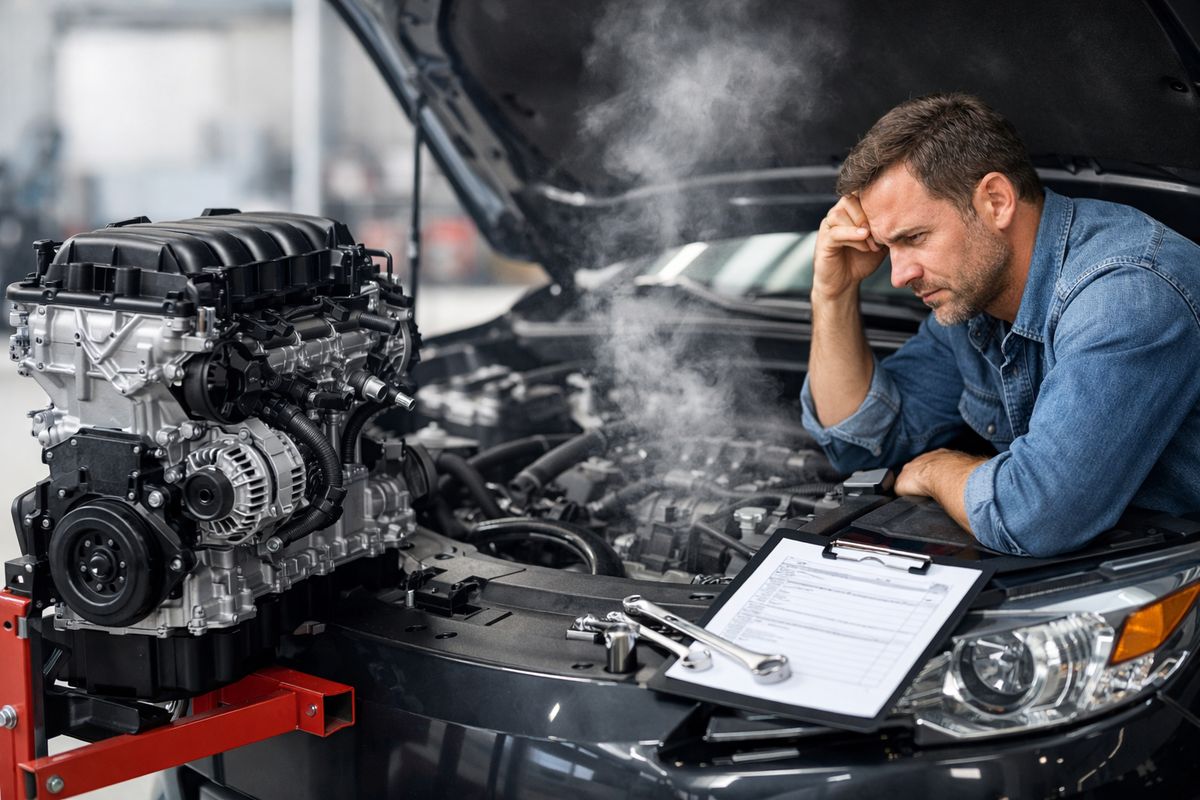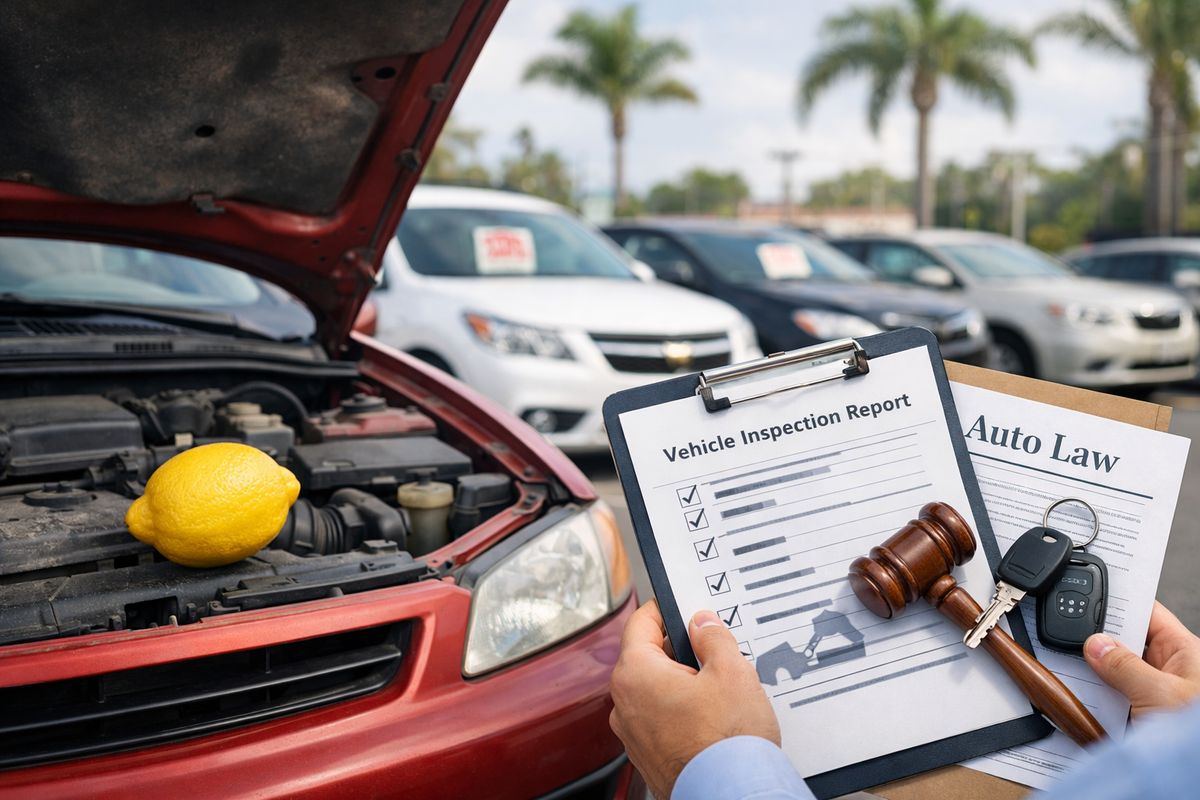

Yes, you can lose money trading in car trouble, and it happens all the time when a newer vehicle keeps going back to the shop. If your 2024, 2025, or 2026 car has engine trouble, transmission failure, or a repair history that reads like a service department diary, trading it in can turn one bad situation into a bigger financial hit.
What it means to lose money trading in a car
Losing money on a trade-in sounds dramatic, but in plain English it usually means one of three things happened. You got less for the vehicle than you still owe on the loan. You accepted a lower offer because the car has a bad mechanical history. Or you rolled old debt into the next vehicle and agreed to carry that loss forward.
That last one catches a lot of people off guard. The dealer takes your current car, puts you in another one, and the monthly payment somehow still looks manageable. But part of your old problem is now tucked into your new loan. The bad car is gone, yet the money loss is still riding with you.
The quick answer for a bad car
Yes, you can lose money trading in a bad car, and recurring defects make it more likely. If your vehicle has major repairs, unresolved warning lights, repeated service visits, or negative equity, the loss can hit fast.
Why a bad car usually hurts your trade-in value
A trade-in offer is not just about mileage, paint, and whether the seats look clean. Dealers also look at risk. If your car drives poorly, has known engine or transmission problems, or has spent weeks at the dealership, that risk goes up, and the offer usually goes down.
Here’s the frustrating part: this can happen even when your car is still fairly new. You may have done everything right, kept up with service, and still ended up with a vehicle that lurches, stalls, slips gears, or lights up the dashboard every few weeks. From the dealer’s side, that history makes the car harder to resell.
Mechanical problems lower what the car is worth
If a car has obvious drivability issues, it becomes less attractive right away. A rough idle, hard shifting, hesitation, check engine light, or repeated no-start problem tells an appraiser one thing: more money will be needed before that vehicle can go back on the lot.
Even if the manufacturer warranty is still active, unresolved problems still drag the value down. A warranty is helpful, but it does not erase inconvenience or risk. A dealer knows the next buyer may come back angry if the same problem shows up again.
Repair history can follow the car
A car can look perfect in the parking lot and still appraise badly because of its paperwork. Multiple dealership visits for the same issue, a replaced engine, a replaced transmission, and repeated complaints in the service file can all affect value.
Think of it like a house with fresh paint over a cracked foundation. It may look fine from the curb, but the history changes how comfortable someone feels buying it. If your vehicle already had a major component replaced and still acts up, that concern gets even stronger. If that sounds familiar, it helps to understand what ongoing issues after an engine swap can mean.
Negative equity makes the loss feel even bigger
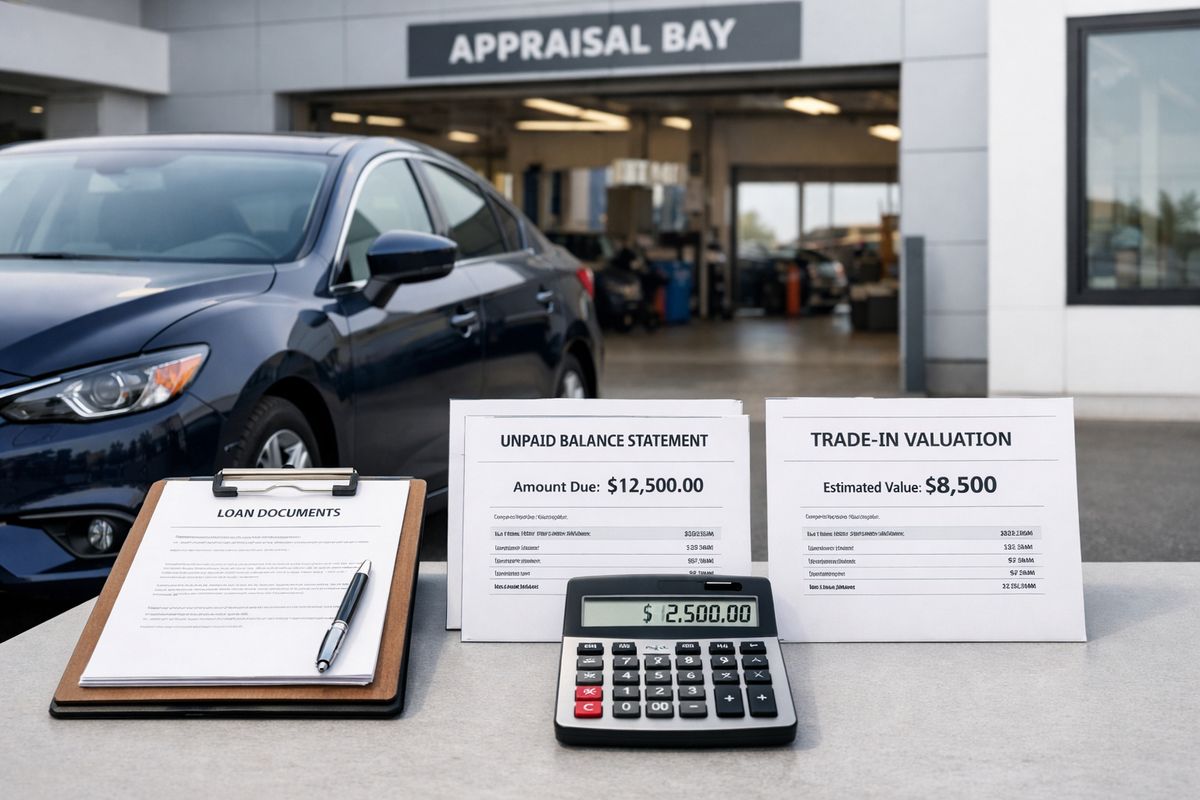
Negative equity means you owe more on the car than the car is worth. So if your payoff is $34,000 but your best trade offer is $27,000, you are $7,000 upside down.
That gap is where the pain lives. You can pay it out of pocket, which plenty of people cannot do on short notice, or the dealer can add it to the next loan. Either way, you are absorbing a loss tied to a car that already caused enough stress.
How to tell whether You’re about to take a loss
Before trading anything in, do the math. Not dealership math with four boxes and a monthly payment highlight pen. Simple math.
Check your payoff amount first
Start with your actual payoff amount from the lender or leasing company. Not your monthly payment, not a rough guess, not the balance you remember from two months ago. The payoff is the amount required to fully satisfy the loan or lease today.
That number matters because trade-ins are settled against payoff, not against what you hoped the balance had dropped to by now.
Compare that number to actual trade-in offers
Next, compare your payoff to real trade-in quotes. Get more than one. A single offer tells you what one store wants to pay, not what the market thinks the car is worth.
Use online valuation tools, then get in-person offers from at least two places. One dealer may treat your vehicle like auction inventory and bid low. Another may think it can repair and retail it. The difference can be thousands, which is not small money.
Watch for rolled-over debt in the next loan
Here’s the catch: a dealer can still make the deal “work” even when your trade is upside down. The shortfall simply gets added to the next loan.
That means the loss does not disappear. It just gets hidden inside a different payment structure, often with a longer term. If your new payment looks only slightly higher than before, read every line anyway. A lower monthly number can mask a much bigger total cost.
The biggest trade-in mistakes that cost you more
Bad-car trade-ins are emotional. After the fourth or fifth service visit, getting rid of the vehicle can feel like relief. That feeling is real, but it can also get expensive.
Trading in before documenting the problem
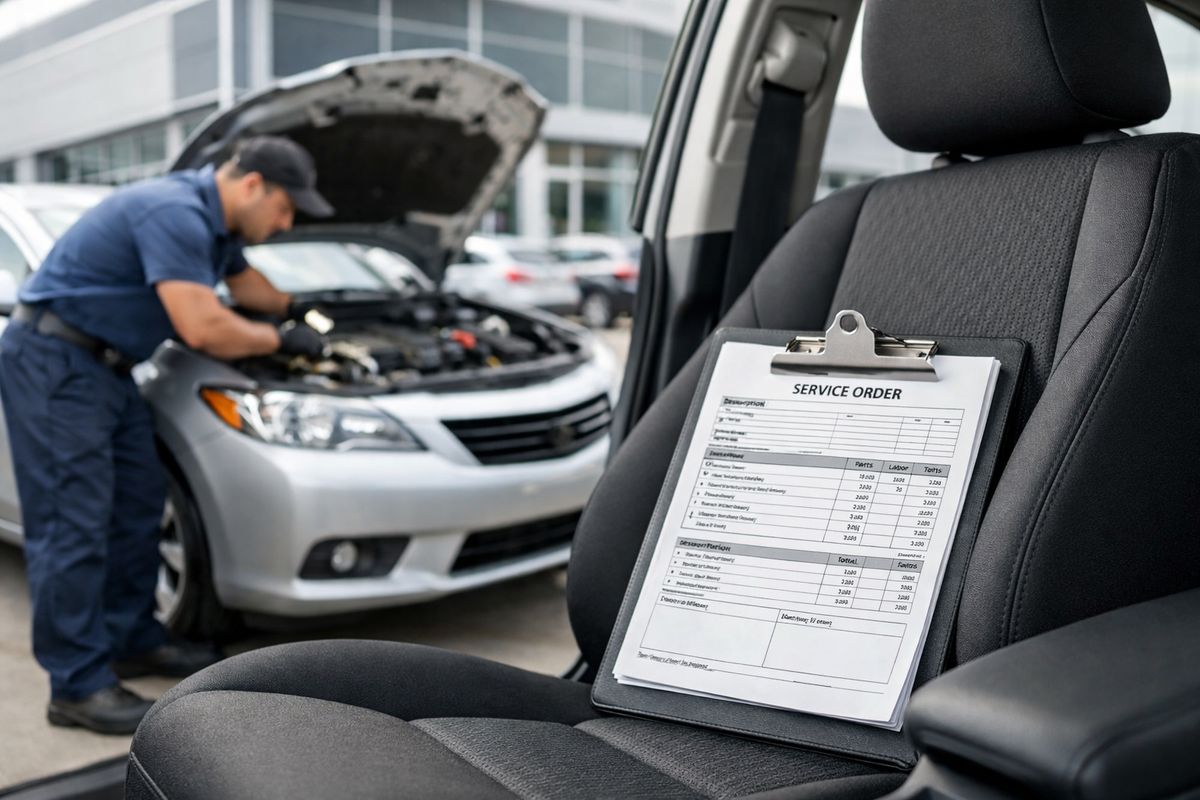
If your car has recurring defects, paperwork matters. Save repair orders, invoices, tow receipts, appointment notes, and records showing how long the car sat at the dealership.
Without that paper trail, it becomes harder to show what happened and how often it happened. If you are still gathering records, it helps to review the kinds of documents that support a vehicle defect claim.
Fixing expensive problems out of pocket too soon
Paying for a major repair yourself can feel like the fastest way out. Sometimes it is not. If the car is newer and still under warranty, spending thousands on an engine, transmission, or repeated diagnostic work may not improve your overall position.
That is especially true when the problem keeps returning after service. In situations like that, a warranty repair that still did not solve the issue can point to a bigger problem than a simple one-time fix.
Taking the first dealership offer
The first offer is often a convenience offer, not your best offer. If the appraiser hears “it has been in the shop three times for the transmission,” the number may drop fast.
A second or third appraisal gives you perspective. At minimum, it shows whether the first dealer is being realistic or simply taking advantage of your frustration.
Focusing only on the monthly payment
This is the oldest trick in the folder. If the conversation stays focused on “Can you handle $589 a month?” you may miss the trade allowance, loan term, interest cost, and how much old debt is being buried in the next contract.
Monthly payment matters, but it is not the whole deal. A payment that feels manageable can still lock you into years of paying off yesterday’s broken car.
When trading in a defective car can be an especially bad deal
Trading in can be a bad deal for any upside-down loan, but it can be especially rough when the car is still new and the core defect is unresolved. In that situation, you may be walking away from options while absorbing the loss yourself.
If your 2024-2026 vehicle has repeated repair attempts
Multiple repair visits for the same issue are not normal just because the service advisor says, “Bring it back if it happens again.” If the same stalling, slipping, overheating, or electrical problem keeps returning, that pattern matters.
The repair count matters too. If you are wondering when repeat visits start becoming something more serious, this guide on how repeated trips to the dealer are evaluated is worth reading.
If your car has been out of service for weeks
A car sitting in the shop for a long stretch is more than an inconvenience. It is a sign that the issue may be deeper than routine warranty work.
If your vehicle has been unavailable for days stacking into weeks, trading it in too quickly can mean paying for a problem that was never really yours to absorb. A long downtime history can also matter when looking at how much shop time starts raising bigger concerns.
If the engine or transmission has already been replaced
An engine or transmission replacement in a newer vehicle changes everything. Even if the repair was covered, confidence in that vehicle usually drops. So does resale appeal.
And if the replacement did not fix the issue, the trade-in value can sink even further. Dealers know buyers get nervous when a nearly new car already has major surgery in its history.
If you’re leasing instead of owning
A lease does not protect you from the financial headache of a defective vehicle. You can still face early termination costs, payoff issues, and value problems tied to recurring defects.
If you are leasing and the vehicle keeps failing, it helps to understand how defect claims can apply to leased vehicles too. Swapping into another lease too quickly can leave the original problem unresolved and still expensive.
Options besides taking a loss on a trade-in
Trading in is not your only move. That matters, because a lot of dealership conversations make it sound like your only choices are “keep suffering” or “take the hit and move on.”
Ask for a warranty repair and keep every record
If the vehicle is under warranty, keep pushing for proper diagnosis and repair. Every visit should generate paperwork. Every symptom should be described clearly. Every day out of service should be tracked.
That paper trail can matter later, especially if the same problem keeps returning.
Get multiple appraisals before making a move
Even if you strongly suspect the trade-in numbers will be bad, get them anyway. A few offers give you a clear picture of your market value and your potential loss.
That knowledge changes the conversation. You stop reacting emotionally and start making decisions with real numbers in front of you.
Look into a manufacturer buyback, replacement, or cash compensation
If your newer vehicle has recurring warranty problems, a trade-in loss may not be the only path. In some situations, you may want to look into a manufacturer buyback, a replacement vehicle, or compensation tied to the defect history.
This is where many Florida drivers pause and realize the dealership’s “just trade it in” suggestion is not necessarily in your best interest.
How florida drivers should think about lemon law and trade-in losses
If your car keeps failing and the dealership keeps trying the same fix, the issue may be larger than trade value. For Florida drivers, unresolved defects can raise lemon law concerns, especially with newer vehicles under warranty.
What kinds of problems can raise lemon law concerns
Recurring engine trouble, transmission failure, electrical defects, brake issues, steering problems, and serious safety-related malfunctions can all matter. So can substantial time in the shop.
The key idea is not perfection. Cars need repairs sometimes. The problem is a newer vehicle that keeps failing in a meaningful way despite repeated attempts to fix it. If you want a plain-English starting point, this breakdown of which Florida vehicles may qualify helps make the basics easier to see.
Why trading in too early can weaken your position
Once the vehicle is gone, it can become harder to show the full defect history, the ongoing condition, and the financial harm tied to that specific car. You may still have records, but you lose access to the actual vehicle that generated the problem.
That does not mean you are automatically out of options. It does mean trading in too early can complicate things.
Why a free case review can help before you sign anything
A free case review acts like a pause button before you lock in a loss. Instead of guessing whether the problem is “just one of those things,” you get a clearer sense of whether the vehicle may qualify for some kind of relief.
That is especially helpful if the dealer has been minimizing the issue, brushing it off as normal, or nudging you toward a trade rather than a real fix.
Questions to ask before you trade in a bad car
Before making a trade decision, slow the whole process down and ask a few plain questions.
How much do you still owe?
Get the payoff amount in writing. Guessing from your monthly bill is how people underestimate their loss.
How many repair attempts has the car had?
Count visits for the same issue, not just total service appointments. Also count days the vehicle was unavailable to you.
Do you have repair orders and warranty records?
Have the paperwork in hand before talking numbers with a dealer or exploring any claim. Memory is fuzzy. Documents are not.
Has the dealer suggested “just trade it in” instead of fixing it?
If that line has come up, slow down. It often means the store sees a problem vehicle and wants it off your hands before you understand your full options.
Common questions about losing money trading in a bad car
Can you trade in a car with engine or transmission problems?
Yes, but expect a lower offer. In many cases, the vehicle will be valued closer to wholesale or auction pricing because the dealer is factoring in repair risk.
Will a dealership tell you if you have negative equity?
The numbers may appear in the paperwork, but the shortfall is not always explained clearly. It can be buried in the structure of the next loan, which makes the loss harder to spot.
Is it better to repair the car before trading it in?
Minor cleanup and basic maintenance can help presentation. Major repairs are different, especially on a newer vehicle with warranty coverage or defect-related options still on the table.
Can you still have options if your car is leased?
Yes. A lease does not erase recurring defect problems. If the vehicle keeps failing, it may still make sense to explore manufacturer-related relief before swapping into something else.
What to do next if You’re thinking about trading in a bad car
Before you agree to any trade, gather four things: your vehicle’s year, make, and model, how many times it has been repaired, how many days it has been in the shop, and your current payoff amount. That small stack of information can save you from making a rushed, expensive decision in a dealership office at 6:45 p.m.
If your vehicle is newer and keeps having the same problem, especially after major repairs or long downtime, do one thing before signing anything: get a free case review and find out whether a buyback, replacement, or compensation may be available instead of eating the loss yourself.
Frequently asked questions
How do you know if a trade-in offer is too low?
Compare it to your payoff amount, online valuation ranges, and at least one other in-person appraisal. If the offer is far below market and the dealer is steering the conversation back to monthly payment, that is a sign to slow down.
Does a replaced engine or transmission automatically ruin trade-in value?
Not automatically, but it often lowers confidence and can reduce offers, especially if the vehicle is still having related problems. A major replacement in a newer car raises questions for any appraiser.
Should you trade in a car that keeps going back to the dealership?
Not until you understand the full cost. If the car has repeated repair attempts or long periods out of service, trading it in too quickly can leave money on the table and close off better options.
Can negative equity be added to your next car loan?
Yes. Dealers often roll the unpaid balance from your current vehicle into the next loan. That can make the deal look easier in the moment while increasing the total amount you pay over time.
Does a free case review really help before a trade-in?
Yes, because it gives you a clearer picture of whether your problem is just bad luck or something that may qualify for relief. That clarity matters before you accept a reduced trade value on a defective vehicle.
Talk to jonathan about your vehicle
Jonathan D. Schwartz, the attorney behind Bad Vehicle, helps vehicle owners understand their Lemon Law options. He can review your repair history, answer your questions, and help you determine the next steps for your potential claim.
Your case review is free, and you pay no attorney fees unless you win.
Schedule your free consultation with Jonathan
Think your vehicle may qualify?
Have your repair history reviewed and find out what options may be available under Lemon Law or warranty law.