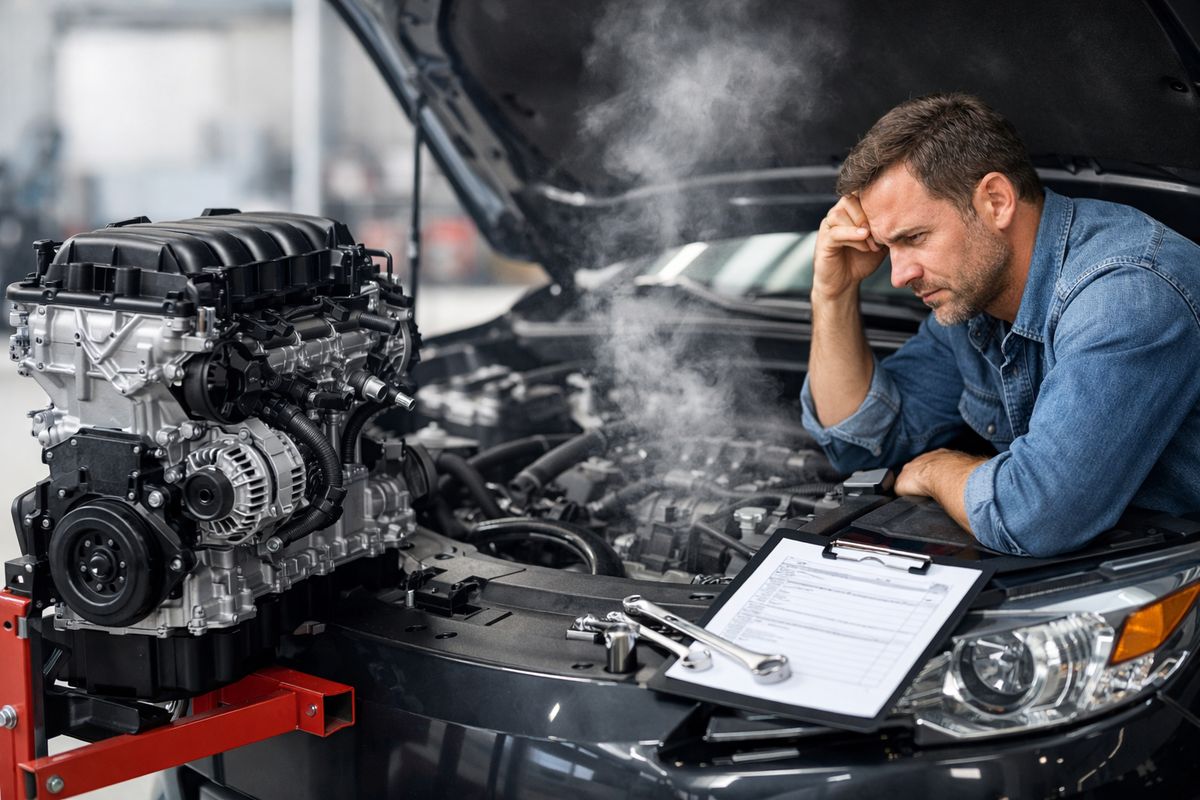

A bumper-to-bumper warranty is the main factory warranty that comes with a new car. It covers most mechanical and electrical problems caused by manufacturer defects.
It pays for repairs caused by factory defects during the warranty period.
Florida drivers think this warranty covers everything. That is not always true.
I will explain what it really includes, what it does not cover, and what happens if your car keeps breaking down.
What Parts Are Usually Covered?
A bumper-to-bumper warranty covers most vehicle systems except normal wear items. If a part fails because it was built wrong, the manufacturer should fix it.
Here are common items covered:
- Engine components
- Transmission parts
- Electrical systems
- Air conditioning system
- Fuel system
- Power windows and locks
- Sensors and computer modules
- Suspension parts
If the issue is due to a factory defect, repairs are usually free.
Dealerships in Florida handle these repairs under the manufacturer’s rules.
What Is Not Covered?
Bumper-to-bumper does not mean everything is covered. Wear-and-tear items are excluded.
Common exclusions include:
- Brake pads
- Brake rotors
- Tires
- Windshield wipers
- Light bulbs
- Oil changes
- Routine maintenance
Damage caused by accidents, misuse, or neglect is also not covered.
If you hit a curb and damage your suspension, that is not a warranty claim. If a suspension part fails because it was defective, that is different.
Does Bumper-to-Bumper Cover the Windshield?
Most bumper-to-bumper warranties do not cover windshield damage caused by road debris or cracks. They may cover defects in the glass if it was installed wrong at the factory.
Here is the difference:
- Crack from a rock on I-95? Not covered.
- Factory defect in the glass? Possibly covered.
Windshield damage is often handled through auto insurance, not the manufacturer’s warranty.
If the windshield leak is caused by a factory-sealing problem, it may fall under bumper-to-bumper coverage.
What If the Dealer Keeps Repairing the Same Problem?
If your car keeps going back to the shop for the same issue, that is a serious warning sign.
If the defect cannot be fixed after a reasonable number of attempts, speaking with a lemon law attorney can help.
A bumper-to-bumper warranty covers repairs. But what if repairs do not work?
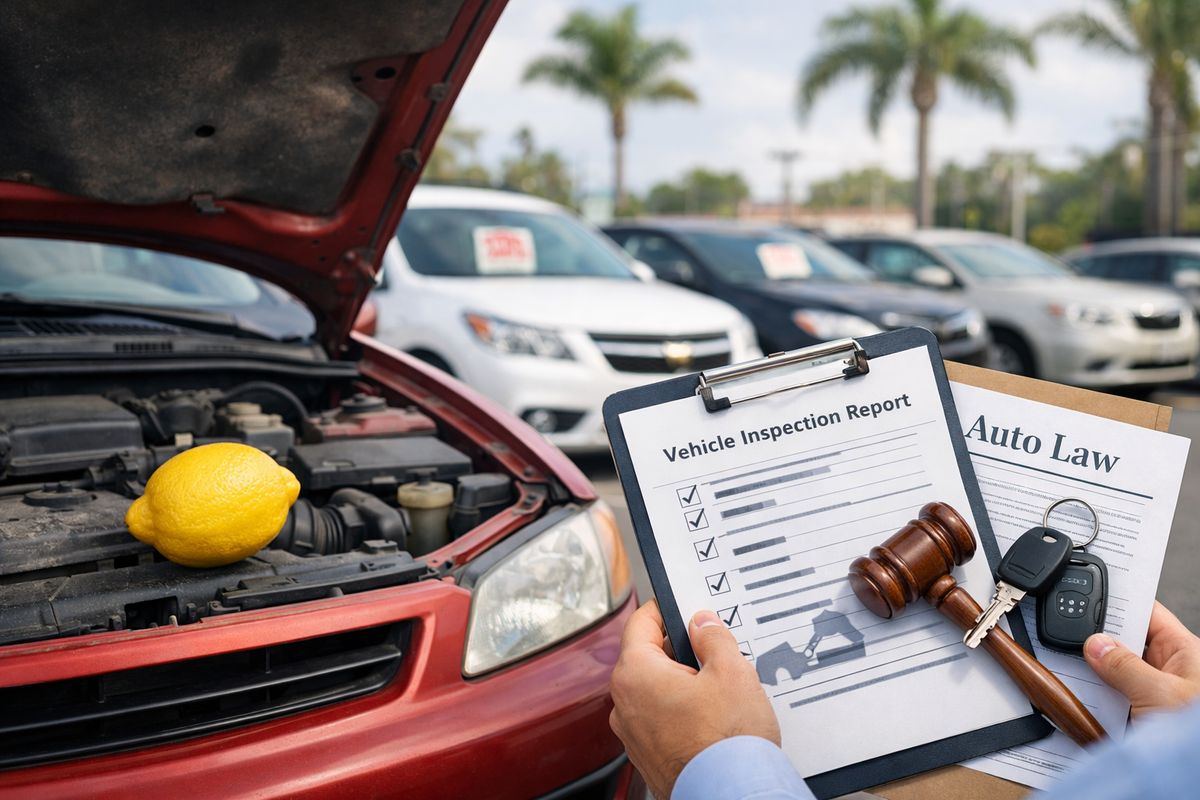
That is when the Lemon Law becomes important.
What Happens When Repairs Don’t Fix the Problem?
If repeated repair attempts fail, the vehicle may qualify as a lemon under Florida law. When the defect remains after multiple visits, the manufacturer may have to buy back or replace the vehicle.
Lemon Law applies when:
- The problem happens within the first 24 months
- The defect is serious
- The dealer had several chances to fix it
- The issue still affects use, safety, or value
For example:
- The engine keeps stalling
- Transmission jerks or slips
- The electrical system shuts down
- AC fails repeatedly in Florida heat
If the dealer cannot fix the issue after a reasonable number of attempts, you may have legal rights beyond the warranty.
The warranty promises repairs. Lemon Law protects you when repairs fail.
When a Warranty Is Not Enough in Florida
A bumper-to-bumper warranty covers many defects, but it does not guarantee the car will be fixed.
If repair attempts fail and the problem continues, Florida Lemon Law may require the manufacturer to buy back or replace the vehicle.
If your vehicle keeps going back to the shop, pay attention. Track every visit. Save every document.
Most bumper-to-bumper claims are simple repairs. But if the issue persists, you may have stronger rights under Florida law.
You deserve a car that works the way it should.
Think your vehicle may qualify?
Have your repair history reviewed and find out what options may be available under Lemon Law or warranty law.