

A lemon law case review matters most when you are already exhausted, same warning light, same trip back to the service lane, same promise that it should be fixed now. If you are looking up a lemon law case review, you probably do not want theory. You want to know what happens next, what matters, and whether your vehicle may qualify for a buyback, replacement, or compensation.
What a lemon law case review actually is
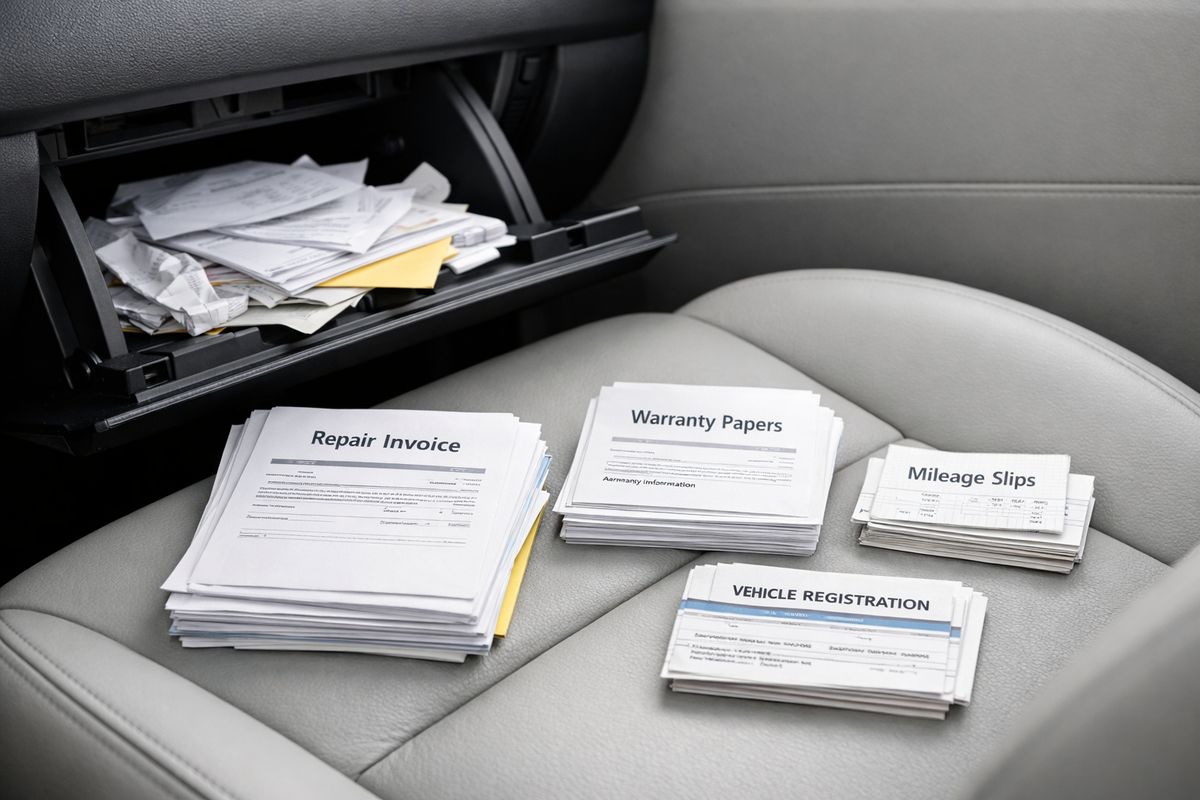
A lemon law case review is a first pass through your vehicle problem in plain English. Your repair history, warranty status, and timeline get looked at to see if your situation fits a Florida lemon law claim or another warranty-based claim. Think of it like sorting a messy glove box into something usable. The facts may already be there, but somebody has to put them in order.
The point is not to make your situation sound more dramatic than it is. The point is to find out whether the pattern already shows a legal problem. That usually means recurring defects, failed repair attempts, long stretches out of service, or a major component problem that never really got solved.
Why drivers ask for a case review
Most people ask for a review after patience runs out. The same issue keeps coming back. The engine or transmission gets replaced and the vehicle still feels wrong. The car spends weeks at the dealership while you keep rearranging work, school pickup, and everything else around a problem that should have been fixed already.
Another common trigger is money. Once you start thinking about trading in a defective vehicle and eating the loss just to move on, a review makes sense. Before you take that hit, it helps to know whether another path is available.
The key question the review is trying to answer
The review is mainly trying to answer one thing: does your vehicle likely qualify for a meaningful remedy?
“Qualify” does not mean your case has to be perfect. It means your facts line up strongly enough to support a buyback, replacement, cash settlement, or some other claim route. If you want a better sense of what usually counts as a qualifying vehicle problem in Florida, that comes down to repair history, warranty coverage, and whether the defect kept affecting use, value, or safety.
What a florida lemon law team will look at first
The first review is usually very practical. Nobody starts with legal jargon. The first questions are basic because the basic details often decide whether your claim is strong or weak.
Your vehicle’s year, make, model, and warranty status
For Florida drivers dealing with 2024, 2025, or 2026 vehicles, timing matters. Newer vehicles are often still inside the original manufacturer warranty, and that is a big part of the picture. If your defect showed up during the warranty period, that helps frame the claim from the start.
This applies to leased vehicles too, not just purchased ones. If your car is leased, your documents still matter, your repair visits still matter, and your downtime still matters. Many drivers are surprised by that, but a lease does not automatically take you out of the conversation.
How many repair visits you’ve had for the same problem
Repair count matters because patterns matter. One bad visit is frustrating. Three or four visits for the same stalling issue, rough shifting, electrical failure, or no-start condition tells a different story.
This is the classic “same issue, same trip back to the service lane” problem. If you are dealing with that cycle, it helps to understand how repeated dealer visits can shape a claim. The dealership may describe each visit a little differently, but the underlying problem often shows up clearly once the records are lined up in order.
How long the vehicle has been out of service
Sometimes the strongest fact is not the number of repairs. It is the number of days your vehicle was simply gone. Sitting behind the service department for two weeks, then three more, can matter just as much as multiple unsuccessful fixes.
That is especially true when parts delays, backordered components, or ongoing diagnosis keep your car parked while you keep making payments. If you have been wondering when too many shop days starts to look serious, the answer is usually sooner than people think.
Your repair paperwork and timeline
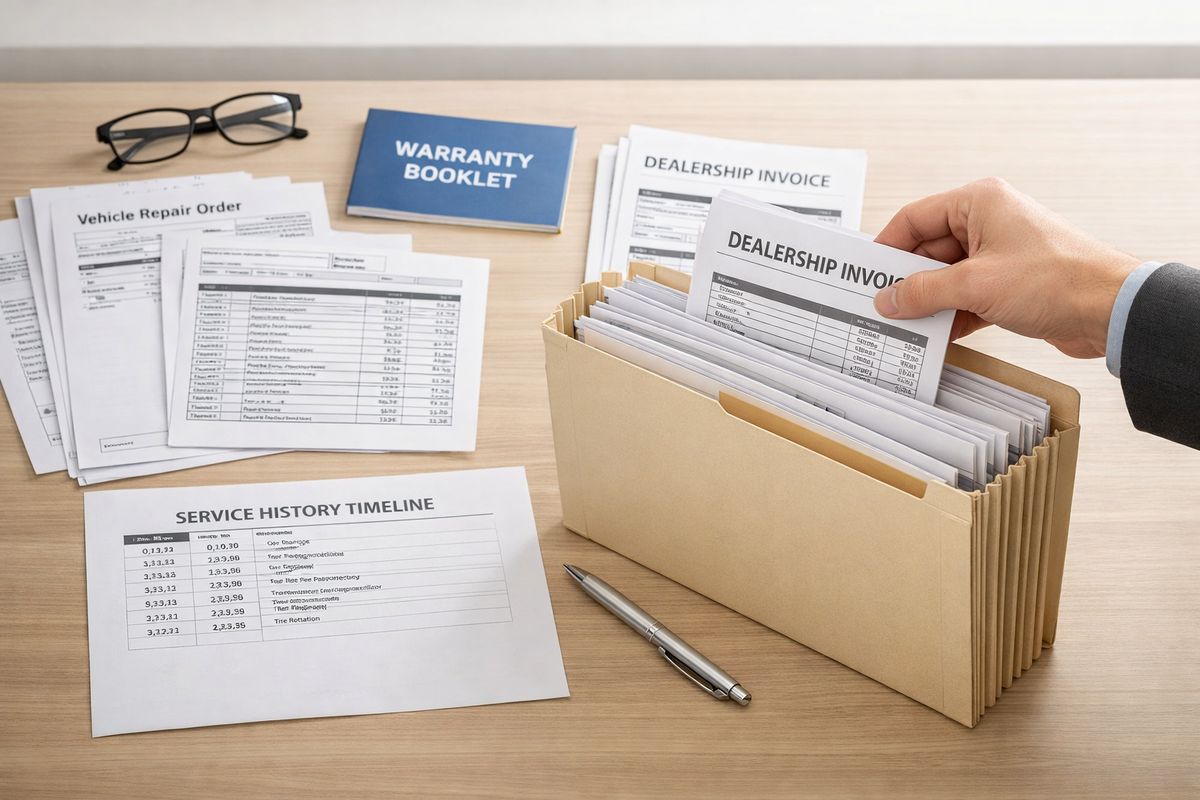
Paperwork is where your story stops being a memory and starts becoming evidence. Repair orders, invoices, your warranty booklet, purchase or lease papers, and notes showing when the problem started all help.
Even messy paperwork helps. A service writer note saying “could not duplicate concern” may feel useless, but it still proves you brought the vehicle in and reported the issue.
What happens after you submit for a free case review
This is the part most people want spelled out. Once you submit your information, the process usually moves in a clear sequence.
Step 1: your facts get reviewed
Your documents, repair dates, symptoms, and dealership visits get screened first. The review looks for timelines, repeated complaints, major repairs, and whether the defect kept coming back after service attempts.
Follow-up questions are normal. If somebody asks when the warning lights returned, whether the engine replacement happened under warranty, or how long the car sat at the dealer, that is not a bad sign. It usually means the facts are being tightened up so the claim can be evaluated properly.
Step 2: you find out whether you have a strong claim
After the first review, you usually get an early sense of whether your claim looks viable. Sometimes the answer is straightforward. Other times, the issue is strong but one or two missing records need to be added first.
At this stage, you may also hear what kind of claim path makes the most sense. Some situations look like classic lemon law matters. Others fit better as warranty-based claims, especially when the repair history is strong but the timeline is a little outside the narrow lane people expect. If your dealer keeps saying the problem was repaired but the car says otherwise, this kind of unresolved warranty pattern can still matter.
Step 3: the manufacturer claim process begins
If the case moves forward, the manufacturer usually gets formal notice of the claim. The file gets organized around your repair history, the defect, the warranty, and the relief being requested.
This is where details start to matter in a more formal way. Dates, mileage, service notes, and prior repair attempts are no longer just frustrating memories from your phone calendar. They become the backbone of the demand.
Step 4: negotiation, settlement, or further action
Once the claim is presented, several paths can follow. The manufacturer may discuss a buyback. A replacement vehicle may come up. In some cases, a cash settlement gets negotiated instead.
And sometimes the manufacturer pushes back. That does not automatically mean your case is weak. It may mean the records need to be clarified, the timeline needs to be sharpened, or more formal action is needed before anything moves.
Possible outcomes of a lemon law case
Most people care less about labels and more about results. Fair enough. These are the outcomes that usually matter most.
Manufacturer buyback
A buyback usually means the manufacturer takes the vehicle back and compensates you based on the purchase or lease terms, subject to the rules that apply to the claim. There may be offsets for the mileage or use you got before the defect became the real problem.
If you are trying to picture how this works in real life, think of it as unwinding a bad deal that never performed the way it should have. If you want more context on what drivers can ask for when seeking a manufacturer repurchase, a review can usually tell you pretty quickly whether that result is realistic.
Replacement vehicle
A replacement means the defective vehicle is swapped for another vehicle rather than refunded. Sometimes that sounds appealing right away. Sometimes it does not.
The catch is simple: a replacement is only as good as the terms attached to it. You want to understand model differences, financing or lease implications, mileage treatment, and whether a refund would actually leave you in a better position.
Cash settlement or compensation
Some cases end with compensation while you keep the vehicle. This can happen when the defect caused repeated trouble, diminished value, or ongoing inconvenience, but a full buyback is not the route being pursued.
That option often makes sense when the vehicle is usable but the repair history is still serious. If you are trying to understand when keeping the car and getting money can make sense, the answer usually depends on how severe the problem was and how the records read.
When a case does not fit classic lemon law but still may have options
Not every strong vehicle claim fits neatly into the phrase “lemon law.” Some cases fall outside that narrow label but still support a warranty or consumer claim because the defect kept returning, the repairs failed, or the dealership could not really fix the problem.
That matters because “not a classic lemon” does not always mean “no case.” It may just mean the path is different.
How long the process usually takes
Nobody likes vague answers on timing, especially after months of dealing with a bad vehicle. The honest answer is that some parts move quickly and some do not.
Early review and document check
The first phase is often the fastest. Once the basic records are in hand, the early review can happen relatively quickly because the key facts tend to stand out. Either the repair pattern is there or it is not.
A clean file helps. Organized repair orders, lease or purchase papers, and a simple timeline can save a surprising amount of back-and-forth.
Negotiation and manufacturer response
The middle phase usually takes longer because the manufacturer has to review the claim and respond. If the records clearly show repeat repairs, major drivetrain trouble, or long out-of-service periods, that can help move things along.
Still, manufacturer response time varies. Some cases resolve through negotiation faster than expected. Others slow down because the company disputes the severity of the defect or points to a dealer note saying the issue was fixed.
What can delay a lemon law case
Missing repair orders are a common delay. So are vague service notes, long gaps between visits, and inconsistent descriptions of the problem. If one visit says “hard shifting,” the next says “hesitation,” and the next says “feels unsafe,” the pattern may still be real, but it takes more work to show it.
Another delay comes from confusion over whether the issue was actually resolved. That is why it helps to understand why some defects seem to disappear and then return again. Temporary improvement is not the same as a real fix.
What you can do right now to help your case
You do not have to wait for a formal claim to make your case stronger. A few simple habits help a lot.
Keep every repair order and pickup receipt
Save everything. The intake sheet, the final repair order, the pickup receipt, the invoice showing zero balance under warranty, all of it.
Even the frustrating notes matter. “Could not duplicate.” “No codes stored.” “Normal operation.” Those lines may annoy you in the moment, but they can become useful later. If you want a clearer picture of which records tend to support a vehicle defect claim, the answer is usually more paperwork, not less.
Describe the problem the same way each time
Consistency helps show the defect is recurring. If the vehicle stalls at red lights, say that each time. If the transmission slams into gear when accelerating from a stop, keep describing it that way.
You are not trying to sound technical. You are trying to make the pattern easy to see.
Don’t Trade in the vehicle before getting a review
This is the big one. Do not rush into a trade-in just to escape the headache.
Trading too soon can cost you real money and reduce your leverage. Once the vehicle is gone, part of the claim story can get harder to prove, and the financial loss lands on you instead of where it may belong. Before making that move, it helps to read about why continued dealer visits or a review may be smarter than giving up the car early.
Write down out-of-service days
Track when the vehicle went in, when it came back, and when it was unusable even if it was technically parked in your driveway. A quick phone note or calendar entry works fine.
That tiny habit can clear up a timeline fast. And once the timeline is clear, the case usually gets easier to evaluate.
Common questions florida drivers have about what happens next
A few questions come up again and again once the review process starts.
Does a leased vehicle count?
Yes, a leased vehicle can still be part of a claim. The lease agreement, warranty coverage, repair orders, and payment history may all matter. If your car is leased, do not assume you have fewer rights just because you do not own it outright.
What if the engine or transmission was already replaced?
A major replacement does not automatically end the issue. If serious problems continued, or the repair history before and after the replacement is still strong, your case may still have value. For a closer look at that situation, see what happens when a major engine fix still does not solve the problem.
What if the dealer says the vehicle is “fixed” but the problem comes back?
That happens a lot. A temporary repair does not erase the earlier visits, especially if the same symptoms return. If the issue comes back, another documented visit can matter more than you think.
Do you need to pay for a case review?
A free case review usually means your records and situation get evaluated without an upfront charge. It is meant to help you find out whether your facts support a claim before you spend money chasing the wrong path.
Signs It’s time to request a lemon law case review
Some situations are hard to read. Some are not. If your vehicle has had the same problem after multiple repair attempts, spent weeks out of service, gone through major engine or transmission trouble, kept generating warranty headaches, or left you seriously considering a loss-heavy trade-in, it is time for a review.
Use this simple checklist. Same issue after repeat repairs. Long stretches in the shop. Big drivetrain work. Ongoing “fixed” claims with returning symptoms. Fear of losing money just to get rid of the vehicle.
Gather your repair orders, line up the dates, and get the vehicle reviewed before making your next move.
Frequently asked questions
How do you know if your case review looks strong?
A strong review usually shows a clear defect pattern, warranty coverage, documented repair visits, or substantial time out of service. The cleaner the paper trail, the easier it is to see the claim.
Can you still qualify if the dealer never found the problem?
Yes, sometimes. “Could not duplicate” does not automatically kill a case if your records still show repeated visits, consistent complaints, and continuing symptoms.
Does a free case review mean your claim is already approved?
No. A free review is an early evaluation, not final approval. It is the step where your facts get checked to see whether moving forward makes sense.
Should you keep driving the vehicle while the review is pending?
That depends on safety and basic common sense. If the problem involves stalling, loss of power, braking issues, or something else that feels unsafe, treat that seriously and follow the dealership’s safety guidance.
What documents should you gather before requesting a review?
Start with repair orders, invoices, warranty paperwork, purchase or lease documents, and a simple timeline of when the problem started and when the vehicle was out of service.
Talk to jonathan about your vehicle
Jonathan D. Schwartz, the attorney behind Bad Vehicle, helps vehicle owners understand Lemon Law options. Your repair history can be reviewed, your questions can be answered, and the next steps for your potential claim can be explained clearly.
Your case review is free, and you pay no attorney fees unless you win.
Schedule your free consultation with Jonathan
Think your vehicle may qualify?
Have your repair history reviewed and find out what options may be available under Lemon Law or warranty law.