

An engine replaced lemon law situation can absolutely still support a claim. In fact, an engine swap often helps show your vehicle had a serious warranty defect, especially if the problem kept coming back, the car sat at the dealership for weeks, or the “fix” created a whole new mess.
Does an engine replacement help a lemon law claim?
Yes, usually it can. A full engine replacement is not a small repair, and it tends to show that the defect was major enough to affect your vehicle’s use, value, or safety.
Here’s the thing: replacing the engine does not automatically wipe the slate clean. If your vehicle had repeated repair attempts before the swap, or if it still has stalling, warning lights, loss of power, rough shifting, overheating, or other drivability issues after the replacement, your claim may still be very much alive. A manufacturer may want to treat the engine swap like the end of the story. It often is not.
What “engine replaced lemon law” really means
In plain English, this phrase usually means your vehicle had such a serious engine-related defect that the dealership or manufacturer replaced the engine under warranty, and now you want to know if lemon law still applies.
The real issue is not just that the engine got swapped. The real issue is whether your vehicle had a substantial defect under warranty that could not be fixed within a reasonable number of repair attempts or a reasonable amount of time. That is the heart of most lemon law claims.
Why an engine replacement can actually strengthen your case
Dealerships do not replace an engine because of a minor annoyance. An engine replacement usually points to something major: internal damage, chronic oil consumption, knocking, stalling, overheating, misfires, metal in the oil, or another defect serious enough to justify one of the most expensive repairs on the vehicle.
That matters because lemon law cases often turn on how serious the defect was in real life. If your car lost power in traffic, left you stranded in a parking lot in Orlando, or spent weeks waiting for a long block or short block, that says a lot. It shows disruption. It shows loss of use. It can also show diminished value, because plenty of drivers do not want a nearly new vehicle with a replacement engine on its history.
Why the replacement does not automatically end the problem
The catch is that the manufacturer may argue the repair solved everything. On paper, the invoice may say “replaced engine assembly” and “vehicle operating as designed.” But paper is one thing, daily driving is another.
If the same symptoms return, if new issues appear after the installation, or if your car was simply out of service for too long, the replacement does not erase what happened before. If this sounds familiar, it helps to understand when a fix isn’t really a fix, especially after a major warranty repair.
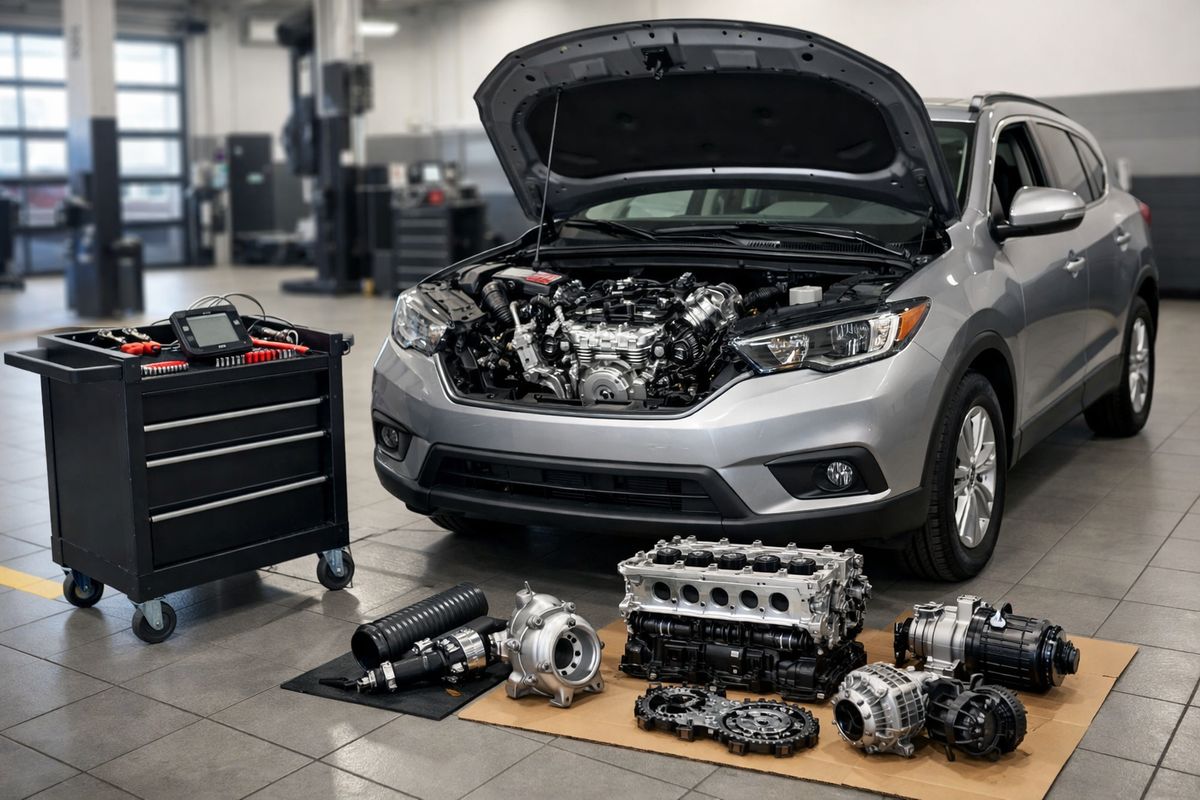
When an engine replacement may qualify under lemon law
An engine replacement may fit into a lemon law claim when your vehicle keeps suffering from recurring engine trouble, repeat repair visits, long stretches at the dealership, or defects that substantially impair use, value, or safety.
Think of it like a phone that needed a new battery, then still died at 30 percent. The part changed, but the real problem never truly left. Lemon law often focuses on that bigger pattern.
If your vehicle keeps going back for the same problem
Repeated visits matter a lot, even after a replacement. If your vehicle keeps going in for knocking, stalling, oil loss, check-engine lights, overheating, rough idle, hesitation, or power loss, the repeated symptom can matter more than the exact repair label on the invoice.
That means you should pay attention to what you complained about each time. If the dealership keeps describing the visit differently but your car keeps doing the same thing, the history may still support a claim. That is especially true in situations involving the same issue returning after multiple shop visits.
If your vehicle spent too long at the dealership
Long downtime is a big deal. If your car sat behind the service bays for three weeks waiting on an engine, waiting on parts, or waiting for approval, that is not just frustrating. It can support a lemon law argument that you lost normal use of the vehicle for an unreasonable amount of time.
Even if the dealer treats it as one large repair, your lost time still counts in the real world. If your vehicle has been sidelined again and again, read more about when weeks without your car start to matter legally.
If the engine replacement caused new issues
Sometimes an engine swap solves one problem and creates three more. Fresh leaks, vibration, wiring faults, sensor communication issues, software errors, rough starts, and check-engine lights after installation are not rare.
So if your vehicle was “fixed” on paper but now feels worse, do not ignore that. A completed repair order is not the same thing as a reliable vehicle.
Florida and new york: how the rules can affect your claim
Location matters. Florida and New York both have lemon law protections, but the rules, deadlines, and proof requirements are not identical.
That means the same repair history can play out differently depending on where your vehicle is registered and where the repair attempts happened.
Florida lemon law basics for engine and transmission cases
Florida’s lemon law generally focuses on new vehicles with warranty-covered defects, often called nonconformities. The basic question is whether the manufacturer had a reasonable number of chances to repair the problem and failed.
For engine and transmission cases, major powertrain failures and long repair delays often become central facts. Florida also has notice and arbitration procedures that can matter a lot, so timing and paperwork are not small details.
New york lemon law basics for recurring major defects
New York also looks at substantial defects that impair use or value, along with repeat repair attempts and time out of service. For newer 2024 through 2026 vehicles still under warranty, recurring engine trouble can fit squarely into that framework.
New York has its own standards and timelines, and some protections can extend beyond brand-new vehicles. But for a newer car or leased vehicle, the main point stays the same: serious warranty defects plus unreasonable repair history can support a claim.
Why your paperwork matters more than the dealership’s verbal promises
“You’re good to go” means almost nothing if your documents show repeated engine complaints, return visits, towing, and long downtime. Written records usually tell the real story.
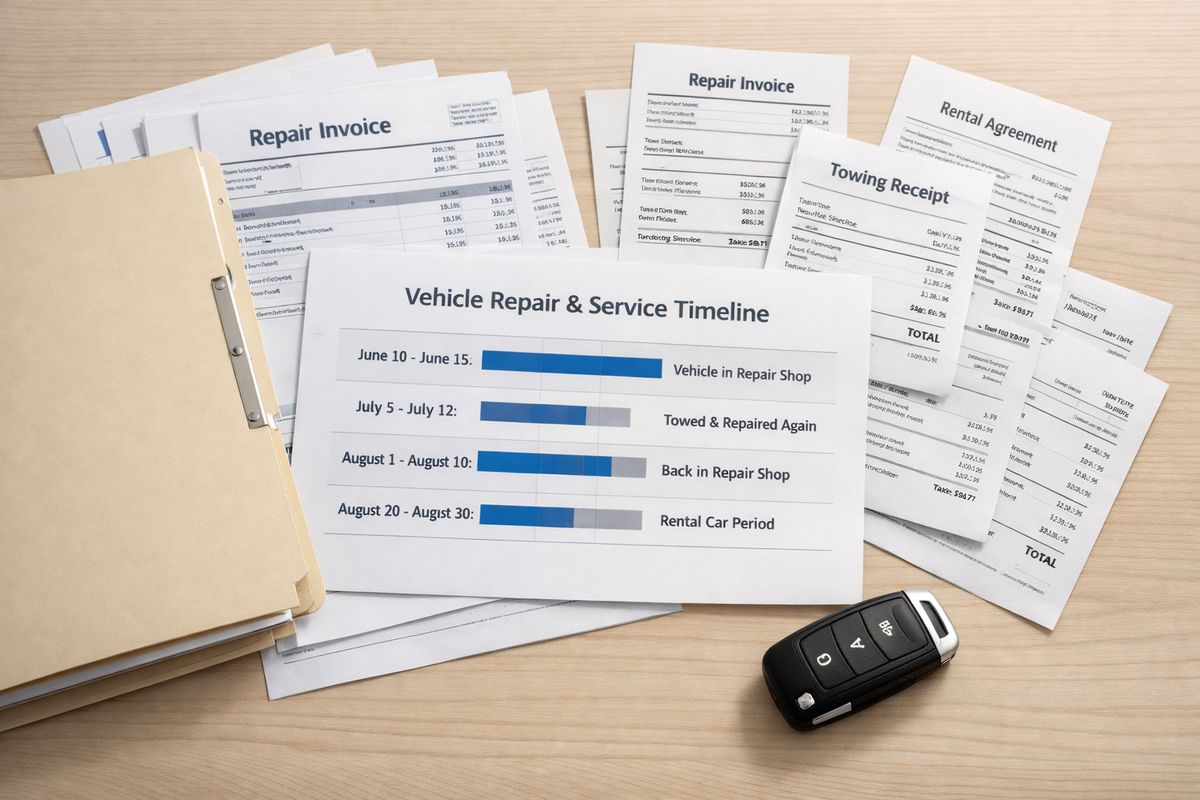
That is why repair orders, text messages, tow receipts, and pickup paperwork matter so much. If a service advisor says the issue is normal or says nothing was found, the written history can still carry the day. This is where keeping the right repair records becomes more than busywork.
The records that make or break an engine replacement claim
Before seeking a case review, gather the documents that show what happened and when. This part is not glamorous, but it matters.
Repair orders and technician notes
Every visit counts, including visits where the dealer wrote “could not duplicate” or “normal operation.” Look closely at complaint wording, mileage in and out, dates, parts replaced, and any note that mentions engine assembly, short block, long block, fuel system, cooling system, or electrical follow-up work.
If the paperwork is vague, ask for a complete copy anyway. A weak description on one invoice does not cancel a strong pattern across five of them. It also helps to learn how to document your repair history clearly.
Proof of time without your vehicle
Keep anything that shows how long you were without the car: rental receipts, rideshare charges, tow bills, missed work notes, hotel bills from breakdowns, and service records showing delayed diagnosis or parts backorders.
All of that supports the very practical point that your vehicle was not available for normal life. Lemon law is not just about broken parts. It is also about losing the use of something you were still paying for.
Photos, videos, and a symptom timeline
Photos and short videos can help a lot. Dashboard warnings, smoke, rough idle, hard starts, fluid leaks, and strange noises are easier to understand when documented in real time.
A simple timeline also helps. Note when the issue started, when each repair visit happened, what the dealer said, and what happened after pickup. If a warning light keeps returning, tracking that pattern can make the repair history much easier to explain.
Common misconceptions about engine replacements and lemon law
A few bad assumptions stop people from acting when they still have a strong claim.
“If the engine was replaced, the manufacturer already did enough”
Not necessarily. A major repair does not automatically erase the inconvenience, safety concerns, repeated visits, or diminished value tied to the defect.
If your vehicle qualified before the replacement, or if the problems continued after it, the claim may still be strong. The manufacturer does not get a free pass just because the repair was expensive.
“A buyback is impossible if the car runs now”
That is a common misunderstanding. A vehicle can seem fine for a week or even a month and still have a repair history that supports a claim.
Temporary improvement is not the whole story. If your records show a serious warranty defect and unreasonable repair efforts, a running vehicle can still be part of a valid case.
“Only the engine itself counts”
Not at all. Related systems often matter just as much: cooling, fuel delivery, ignition, sensors, software, electrical communication, and even transmission behavior tied to the powertrain issue.
Real-world drivability is what counts. If your car keeps losing power, throwing warnings, shifting badly, or becoming unreliable, the case is rarely limited to one part number. That is also why major warranty replacements can still fit lemon law rules.
What to do next if your engine was replaced and the problems keep coming back
If your gut says this vehicle still is not right, trust that instinct and get organized before the next dealership visit.
Ask for your full repair history before your next visit
Get every repair order now, not six months from now. Check whether each complaint is described accurately, and push back if the paperwork softens a serious issue into vague language like “customer states noise.”
Small wording changes can affect how your history reads later.
Stop relying on verbal updates alone
Phone calls disappear. Written updates do not.
Ask for diagnoses, delays, parts backorders, and repair recommendations in writing whenever possible. Texts, emails, and invoices create a cleaner timeline than a conversation nobody can replay.
Get a free lemon law case review before trading the vehicle in
Before taking a low trade-in offer or paying out of pocket again, have your repair history reviewed. An engine replacement, transmission replacement, repeat dealership visits, or weeks in the shop are all strong reasons to get answers now.
Frequently asked questions
Does a new engine automatically disqualify a lemon law claim?
No. A new engine can actually support your claim because it shows the defect was serious. If the vehicle had repeated repair attempts, long downtime, or continued problems after the replacement, the claim may still be strong.
Can a lemon law claim still work if the same problem has not come back yet?
Yes, sometimes. If your vehicle already had a serious warranty defect and the repair history shows unreasonable attempts or extended time out of service, a claim may still be worth reviewing even if the car is currently running.
What if the dealership says “could not duplicate” after my engine problems?
That wording does not automatically hurt your case. If your vehicle had consistent symptoms, warning lights, towing events, or repeat visits, the overall pattern still matters.
Does lemon law only apply to engine failure, or can transmission issues count too?
Transmission problems can count too, especially when they affect use, value, or safety. Hard shifting, loss of power, slipping, hesitation, and repeat transmission repairs can raise the same kind of concerns as engine defects.
Should you trade in the vehicle after an engine replacement?
Not before reviewing the repair history. Trading in too soon can lock in a financial loss and make it harder to sort out what remedies may still be available.
Talk to jonathan about your vehicle
Jonathan D. Schwartz, the attorney behind Bad Vehicle, helps vehicle owners understand Lemon Law options. Your repair history can be reviewed, your questions can be answered, and your next steps for a potential claim can become a lot clearer.
Your case review is free, and you pay no attorney fees unless you win.
Schedule your free consultation with Jonathan: https://badvehicle.com/schedule-your-consultation/
Think your vehicle may qualify?
Have your repair history reviewed and find out what options may be available under Lemon Law or warranty law.