

You pick up your vehicle after an engine or transmission replacement, pull onto the road, and for a moment it feels like the nightmare might finally be over. Then the warning light comes back on, the shift slams into gear, or the same hesitation shows up at the first stoplight. For drivers whose engine or transmission has been replaced, owners returning to the dealership for the same unresolved problem, and drivers whose vehicle has spent weeks in the shop, that moment changes everything, because a major repair is supposed to solve the problem, not restart it.
A replaced engine or transmission does not automatically erase the defect history or make the case disappear. It usually means the problem was serious enough to justify one of the biggest repairs a dealership can perform, and if the issue returns, or new problems begin, your records, timeline, and next moves matter a lot. This guide walks through what that repair really means, what to do if the problem came back, and how Florida and New York vehicle owners and lessees can think about buyback, replacement, or compensation.
Early on, the smartest move is simple: get organized before the story gets messy. Here’s what you’ll learn in this guide:
- what a major repair really proves
- what to save before paperwork disappears
- how to document repeat symptoms clearly
- what long shop delays can mean
- how to read repair orders
- when recurring issues may support a claim
- how Florida and New York cases can differ
- what buyback, replacement, and cash settlement usually mean
Your engine or transmission was replaced. Here’s what that actually means
An engine or transmission replacement sounds final. In normal life, when something major gets replaced, you expect the problem to be gone. If the water heater gets swapped out, you expect hot water. If the fridge motor gets replaced, you expect the food to stay cold. Your vehicle should be no different.
But here’s the thing: a replacement only fixes the problem if the diagnosis was right, the installation was done correctly, the related systems were addressed, and the replacement part itself is sound. Miss any one of those, and you can end up right back where you started, except now with a thicker stack of paperwork and even less trust in the vehicle.
That is why this kind of repair can be more than a repair story. It can be evidence of a serious, recurring defect. If you are in Florida or New York and your 2024, 2025, or 2026 vehicle has gone through repeated repairs, long downtime, or the same drivability problem after a major component swap, the next step is not blind patience. The next step is building a clear record of what happened.
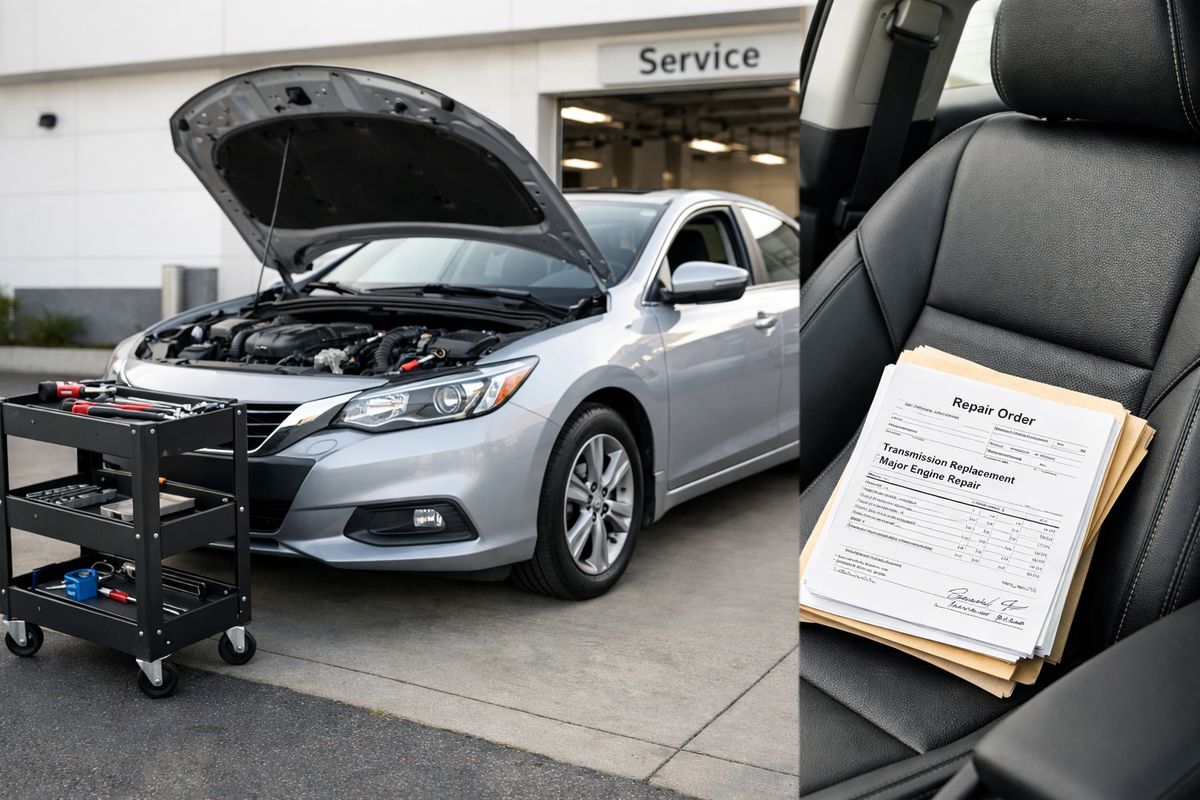
Start here: the fast answer if the problem came back
If your vehicle came back from the dealership after an engine or transmission replacement and the problem returned, do four things right away. Keep every single repair record. Stop relying on phone calls and verbal updates. Write down each symptom in plain English. Then look at whether your repair history points toward a buyback, replacement vehicle, or cash settlement.
That short version matters because frustration causes rushed decisions. A lot of owners accept casual explanations in the service drive, trade the vehicle in at a loss, or assume a replacement engine means the manufacturer already did enough. Not necessarily.
If the issue came back, the paper trail became more important than the promise.
The 5 things to do before anything else
Start by saving every invoice, repair order, tow slip, text message, and loaner or rental record. Even paperwork that looks repetitive can matter later because it helps show dates, mileage, downtime, and how many chances the dealership had to address the issue.
Next, capture the symptoms while they are happening. A quick video of a rough idle, a warning message on the dash, a tach needle jumping, or a vehicle refusing to start can carry more weight than a vague memory two weeks later.
Also, write down the days your vehicle was out of service. Include drop-off dates, pickup dates, days waiting on parts, and days the dealership had the keys but no fix. People often remember the repair itself and forget the delay, but downtime can become one of the biggest parts of the story.
Use plain language to describe what the vehicle is doing. “Hard shift from 2nd to 3rd after 20 minutes of driving” is useful. “Car is weird” is not. Specifics give the dealership less room to flatten the issue into generic wording.
Before you leave the service desk, ask for all paperwork every time. Not later. Not after someone calls back. Right then. If your vehicle is staying, ask for the intake document and the open repair order.
What not to do in the first week
Do not trade the vehicle in just because you are exhausted. That instinct is understandable, especially after the third drop-off and another “we need more time” call, but trading too early can lock in a loss you did not need to absorb.
Do not accept “could not duplicate” as the final word if you know the symptom happened. Push for accurate complaint language on the repair order, and keep documenting. If that phrase keeps showing up, it helps to read more about what to do when the dealer says the problem won’t show up.
Do not throw away receipts for towing, rideshares, rentals, or missed transportation costs. Those small pieces of paper have a habit of becoming expensive later.
And do not assume a replacement engine or transmission resets the entire situation. In many cases, it does the opposite. It confirms the problem was serious.
When a major repair is a red flag, not a fresh start
A lot of people treat an engine or transmission replacement like a fresh start. Emotionally, that makes sense. You want to believe the hard part is over, especially after days or weeks without your vehicle.
But a repair this large is often a red flag. It means the defect was not minor, not routine, and not solved by the usual first-round fixes. If the same problem comes back after that, it says something important about the underlying issue, the repair process, or both.
That matters because your real-world experience is the point. You need transportation that starts, drives, shifts, accelerates, and gets you home without drama. A stack of completed repair orders means very little if you are still white-knuckling every merge onto the highway.
Why a replacement part does not erase the original defect
A replacement part solves only the part it addresses. If the true cause was bad software, a damaged harness, a cooling problem, a failed sensor, contaminated fluid, or a related component the dealer never fixed, the same problem can return.
Sometimes the root cause gets misdiagnosed. The symptom points to the engine, but the issue lives in the fuel system or electronics. The transmission gets replaced, but the real problem was in the control module or calibration. Sometimes the dealer fixes the headline problem and misses the support pieces around it.
And sometimes the replacement part is defective too. That sounds extreme until you have lived it, but it happens. Remanufactured components, shipping damage, installation errors, and rushed programming can all create a second round of trouble.
The difference between “repaired once” and “problem actually fixed”
On paper, a dealer may show one visit with a completed correction. In your life, that same visit may mean the vehicle was gone for 18 days, returned with a new vibration, and stalled again two mornings later.
That gap matters. Dealership systems count repair events. You experience outcomes. If the paperwork says “completed” but the same drivability issue persists, the repair solved the administrative task, not the actual problem.
A useful way to think about it is this: completion is not confirmation. The only thing that confirms a fix is a vehicle that works properly afterward and keeps working.
Why repeat visits matter more than service-advisor promises
Verbal reassurance feels good for about a day. Documentation lasts.
If a service advisor says, “If it happens again, bring it back,” make sure the current visit already reflects the complaint. Then if it happens again, go back and make sure the new visit reflects that complaint too. Patterns get built one repair order at a time.
This is especially true when you keep returning to the same dealership with the same concern. A clean record of repeated visits can matter more than ten apologetic phone calls. If that pattern sounds familiar, it helps to understand why repeated returns to the same shop can carry real weight.
The most common situations after an engine or transmission replacement
Most searches on this topic come from a handful of frustrating scenarios. Once you see your own situation clearly, the next move usually gets easier.
The same symptom came back after pickup
This is the most obvious red flag. The engine gets replaced, then the no-start comes back. The transmission gets swapped, then it still slips, jerks, or hesitates. The vehicle leaves the lot, and by the next traffic light, the same problem that started the whole ordeal is still there.
Common examples include stalling, hard shifting, delayed acceleration, loss of power, warning lights, knocking, overheating, surging, and limp mode. If the symptom is basically the same as before, even if the wording shifts a bit from one invoice to the next, that is not a fresh issue. It is part of the same story.
A new symptom started after the repair
Not every post-repair problem is a repeat of the old one. Sometimes the replacement creates a new headache. Maybe the original stalling issue seems better, but now the vehicle idles rough, leaks fluid, drains the battery overnight, vibrates at idle, or throws new warning lights.
That can happen when components are disconnected and reinstalled, modules are reprogrammed, fluids are refilled incorrectly, or wiring and sensors are disturbed. A major repair touches a lot of systems. If something was missed or not seated correctly, the vehicle can come back with a whole second set of symptoms.
The vehicle has been in the shop for weeks
Sometimes the problem is not one bad test drive, but the fact that the vehicle practically lives at the dealership. One week waiting on diagnosis. Another waiting on parts. Another because the replacement did not fix it. Then more waiting for factory guidance.
Long downtime changes the case in a practical way. Even if the service department says progress is happening, your life is still getting rearranged around an unreliable vehicle. If your car has effectively disappeared into the shop calendar, it is worth understanding how extended repair delays can affect a buyback path.
The dealership says the problem is “normal”
You know the phrases. “That’s how this transmission shifts.” “The system is learning your driving style.” “No codes are stored.” “These vehicles do that.”
Sometimes those statements are true. Often, they are used to smooth over a problem the dealership cannot reproduce quickly or does not want to escalate yet. “Normal” should match safety, reliability, and common sense. A vehicle that slams into gear, hesitates dangerously in traffic, or repeatedly lights up the dash after a major replacement does not become normal because someone at the counter says so.
The dealership cannot duplicate the issue
Intermittent failures are a gift to bad paperwork. If the vehicle acts up on cold starts, only after 25 minutes in traffic, or only when merging uphill with a warm engine, a short test drive around the block may miss it entirely.
That does not make the problem imaginary. It means the conditions matter. Keep notes on time of day, outside temperature, speed, stop-and-go traffic, highway use, fuel level, and warning lights. If the issue keeps getting brushed off, you may also want a deeper look at how to handle an issue that never seems to happen in the service lane.

Engine replacement problems: what to watch for next
An engine replacement is one of the biggest repairs a dealership can perform. If your vehicle needed one and still does not feel right, pay attention to what happens next. Engine-related issues tend to announce themselves in ways that are hard to ignore, though sometimes the clues start small.
Signs the engine issue may still not be fixed
A rough idle is one of the most common clues. If the engine shakes at stoplights, surges at idle, or sounds uneven after replacement, something may still be off. Knocking, ticking, or metallic noises matter too, especially if they were part of the original complaint or feel new and persistent.
Watch for burning smells, coolant loss, repeated overheating, unexplained oil use, smoke, reduced power, check-engine lights, or limp mode. A no-start after a major engine job is another obvious problem, even if the dealer later gets it started and sends you home.
The key is the pattern. One brief smell that never returns is different from a recurring hot-oil odor every time you park in the garage. One isolated check-engine light is different from a warning that returns after every reset.
Problems tied to installation, not just the engine itself
The engine itself may not be the whole story. During an engine replacement, a lot gets disconnected and reconnected: wiring harnesses, sensors, hoses, fuel lines, cooling system components, intake pieces, mounts, grounds, and software calibrations.
If one connector is loose, one hose is routed wrong, or the cooling system was not bled properly, the vehicle can leave with fresh problems that look unrelated until you connect them. A rough idle might trace back to a vacuum issue. Overheating might come from trapped air. A no-start might come from a sensor or wiring connection that was disturbed during installation.
That is why “new engine” should never end your attention to symptoms. It often requires more.
How break-in explanations can confuse the issue
After an engine replacement, you may hear that the engine needs time to settle in. Sometimes that is partly true. Mechanical systems can need a short adjustment period, and driving recommendations may change briefly after installation.
But break-in is not a magic phrase that explains away obvious defects. A normal break-in period should not include severe knocking, repeated overheating, active warning lights, major hesitation, smoke, or a vehicle that cannot be trusted on a 20-minute drive.
If the explanation keeps shifting between “give it time” and “bring it back if it gets worse,” pay attention. That can become a stall tactic when the vehicle still has a real problem. If you want more detail on this exact situation, this guide on what an engine swap can mean for a defect claim helps connect the repair to the bigger picture.
Transmission replacement problems: what to watch for next
Transmission complaints have a special way of making every drive tense. You never fully relax when you are waiting for the next flare, clunk, slip, or delayed engagement. After a transmission replacement, that tension should ease. If it does not, the job may not have solved the actual issue.
Signs the transmission problem may still not be fixed
Hard shifts are the complaint many people notice first. The vehicle bucks into gear, bangs on upshifts, or feels like someone kicked the seat from underneath. Slipping is another classic sign, where engine RPM rises but speed does not match. Delayed engagement, especially when shifting into drive or reverse, also matters.
Then there are the less obvious clues: shuddering at lower speeds, hesitation on takeoff, gear hunting on the highway, surging, warning lights, and loss of acceleration even when the engine sounds fine. None of that should get shrugged off after a replacement.
A transmission that is still unpredictable after a major repair is not just annoying. It can affect safety, confidence, and resale value too.
Replacement vs rebuild vs reprogramming
This wording matters more than most people realize.
A replacement usually means the transmission assembly was swapped out for another unit, new or remanufactured. A rebuild usually means the original transmission was opened up and repaired internally with selected parts replaced. A reprogramming means software in the control module was updated or reset, often to change shift behavior or adaptation values.
Those are very different things, yet paperwork can blur them together. If your invoice says “performed transmission repair,” that does not tell you much. You need to know what actually happened, because a full replacement carries a different story than a software update or partial internal repair.
Why software updates and relearns matter
Modern transmissions depend heavily on software. Control modules adapt to wear, driving inputs, and shift behavior over time. After repair or replacement, the dealership may reset adaptations or perform a relearn procedure so the system can calibrate itself.
That part is real. The catch is that some service departments use “it’s still learning” as a blanket explanation for behavior that is too harsh, too unsafe, or too persistent to excuse. Mild adjustment is one thing. Repeated banging into gear two weeks later is another.
If the transmission was replaced and the same shifting issue returned, the paperwork and timeline become especially important. This is one of the clearer examples of a major repair that still leaves you with the same problem.
What counts as a recurring defect
A recurring defect is not limited to one identical sentence appearing on every invoice. Real repair histories are messier than that. Service departments change wording, symptoms evolve, and one root problem can show up in several forms.
Still, the basic idea is straightforward: if the same underlying problem keeps disrupting the vehicle after repair attempts, you may be looking at a recurring defect.
Same exact symptom vs same underlying issue
One repair order may say “hesitation from stop.” Another says “loss of power on acceleration.” Another says “vehicle bogs during merge.” Those may all describe the same unresolved defect.
This matters because dealerships often write symptoms in shorthand, and different advisors may describe the same complaint differently. Do not get thrown off by wording changes if the real-world issue stayed the same. Focus on what the vehicle actually did and when.
Related repairs that still count
Sometimes the dealer keeps changing parts while chasing one drivability issue. On the first visit, a sensor gets replaced. On the second, a module gets updated. On the third, the transmission is rebuilt. On the fourth, the problem is still there.
That can still point to one unresolved defect. The fact that the attempted fixes changed does not mean the pattern disappeared. In many cases, it shows the dealership has been trying different ways to solve the same problem and still has not gotten there. This is where understanding what really counts as a problem that keeps coming back after repair can help you frame the history more clearly.
Why “customer states” notes matter on repair orders
The opening complaint on the repair order is often one of the most useful lines on the page. It usually captures what you reported before the dealer rewrites the story into diagnosis language.
If that line says “customer states vehicle stalls after warm restart” or “customer states hard shift between 2nd and 3rd when hot,” that matters. It ties the symptom to a specific event and date. If the wording is too vague, ask politely for a more accurate description before the record closes.
In a paper trail full of technical codes and abbreviations, the “customer states” line is often the clearest bridge between your experience and the dealership’s file.
How to read your repair orders without getting lost
Repair orders can look like alphabet soup. Complaint, cause, correction, op codes, labor lines, abbreviations everywhere. But you do not need to become a technician to understand what matters.
The goal is not to decode every line. The goal is to spot the information that tells the story of what happened, when it happened, how long the vehicle stayed, and whether the dealership actually confirmed the issue.
The key lines to look for
Start with the complaint section. That is where your reported symptom usually appears. Then look at the cause and correction sections, which show what the dealership believed was wrong and what action was taken.
Mileage in and out matters because it anchors each visit in time and use. Open and close dates matter because they show how long the vehicle was in the shop. If the dates span a long period, even with little explanation, that may become important.
Also look for any note showing the vehicle was not driveable, needed towing, stalled, failed to start, overheated, or was waiting on parts. Those little details can be easy to miss and surprisingly valuable later.
Phrases that can help your case
Certain phrases carry more weight because they show the dealership confirmed the problem or recognized the seriousness of it. Examples include “verified concern,” “duplicated issue,” “vehicle stalled,” “unsafe to drive,” “part backordered,” and “awaiting factory guidance.”
Even “customer states concern persists after prior repair” can help because it ties one visit to the last one. If your records include language like that, keep those pages easy to find.
Phrases that can hurt clarity if left unchallenged
Vague phrases can muddy the record if nobody corrects them. “Could not duplicate,” “operating as designed,” “no problem found,” or “unable to verify concern” can be accurate sometimes, but they can also flatten a very real issue into something easier to close.
If the wording does not reflect what happened, address it quickly and in writing. A calm email summarizing the actual symptom, the date, and what occurred can help preserve the bigger picture even if the invoice stays vague.
What to request if your paperwork is incomplete
Ask for the full repair order, not just the cashier receipt. If available, request all dates the vehicle was in the dealership’s possession, including days waiting on diagnosis or parts. If a repair order was opened on one day and closed much later, ask for the version showing both dates clearly.
In some situations, additional technician notes or warranty claim details may exist, though access can vary. The key is simple: collect the fullest record available. If you need a stronger system for this, a guide on keeping repair records organized in a way that actually helps later can make the process a lot easier.
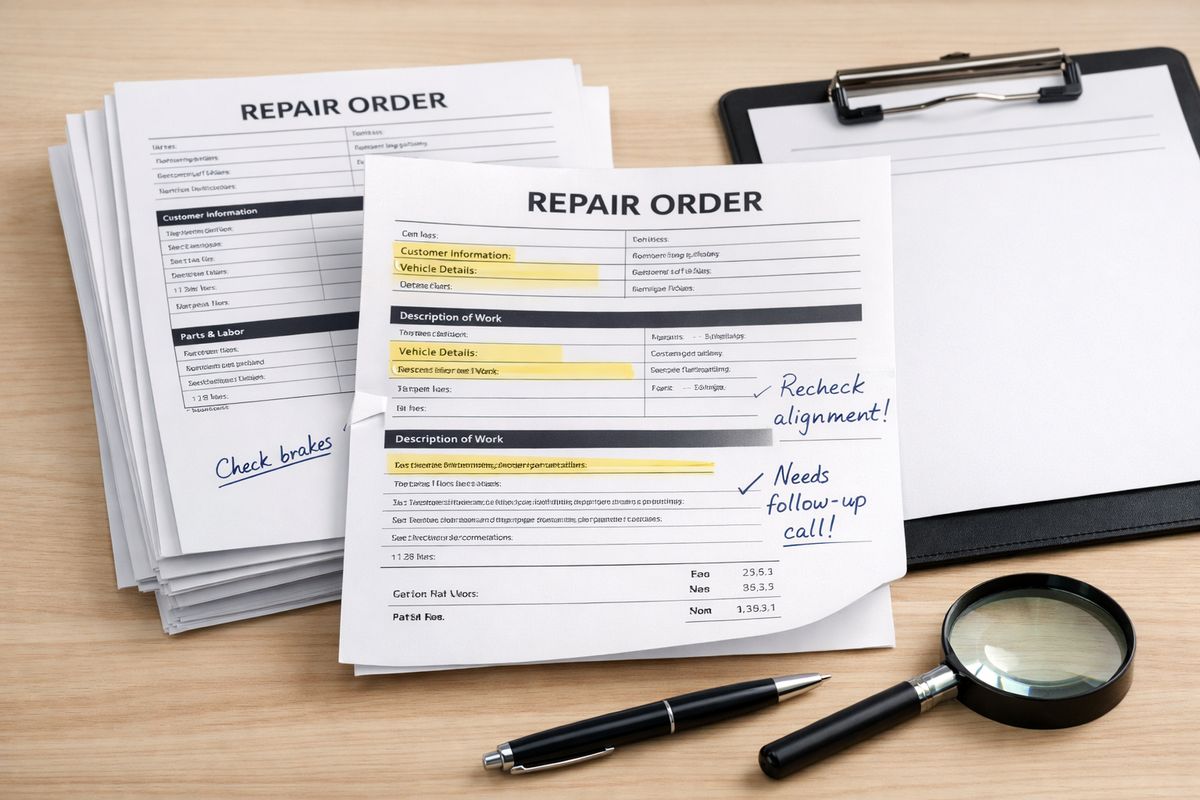
Build a clean timeline before you call anyone
A messy story is hard to evaluate. A clean timeline makes everything easier, whether you are dealing with the dealership, the manufacturer, or preparing for a case review.
Think of the timeline as the spine of the whole situation. Every document, video, and expense gets attached to it.
The simple timeline format that works
Use a date-by-date list. For each event, note the mileage, symptom, dealer visit, pickup date, tow event, warning message, and days the vehicle was unavailable.
Keep it plain. “June 4, 14,882 miles, check-engine light and hard shift, dropped at dealer.” “June 12, dealer says transmission replaced.” “June 14, picked up, same hard shift returned on drive home.” That kind of simple sequence is often more useful than a long narrative.
Include the moments that felt small at the time
The roadside tow after a no-start. The voicemail saying the part is backordered. The dashboard message that disappeared before you reached the dealership. The day your vehicle sat untouched in the lot.
Those details may have felt minor in the moment, but they help explain what life with the vehicle has actually looked like. A case is often built from those small moments stacked together.
Keep your evidence in one place
Create one folder, digital or physical, and put everything in it: PDFs, screenshots, videos, photos, text messages, rental receipts, towing bills, warranty paperwork, and your running timeline.
This sounds basic, but it saves real time and stress. If your next call requires dates, mileage, and repair history, you do not want to be hunting through old emails in a parking lot.
How to document symptoms so the dealership cannot shrug them off
Good documentation is not about sounding technical. It is about making the problem hard to minimize.
Use plain-language symptom descriptions
Describe exactly what the vehicle does. “Engine stalls after stopping for gas.” “Vehicle jerks on downshift while slowing from 40 mph.” “Transmission hesitates, then slams into gear after morning startup.”
Those descriptions work because they are concrete. They give the service department something testable. If you need a model for this, this walkthrough on documenting repairs in a way that captures the real issue is worth reading before your next visit.
Record when, where, and how it happens
Patterns matter. Note whether the problem happens during cold starts, after 15 minutes of driving, in stop-and-go traffic, during highway merges, in rain, after fueling, on hot restarts, or while climbing a hill.
That kind of context can make the difference between “could not duplicate” and an actual confirmation. It gives the technician the setup, not just the complaint.
Photos and video that actually help
A useful video starts before the event and captures enough context to show what is happening. Warning lights on startup, a rough idle sound, smoke from the exhaust, visible leaks under the vehicle, or a no-start with the dash lit up can all help.
Safety first, obviously. Do not film while driving in a way that distracts you. If needed, have a passenger record, or capture the aftermath once the vehicle is safely parked.
Keep a downtime log
Track every day the vehicle is unavailable, even when the dealership says the delay is only temporary. If it is sitting for diagnosis, waiting on a backordered part, or being held for another test drive, that day still counts in your real life.
Downtime gets fuzzy fast unless you log it. Write it down as it happens.
If your vehicle has been in the shop for weeks
Weeks in the shop changes the problem from “annoying repair issue” to “this vehicle is not functioning as transportation.” That is a meaningful shift.
A repair delay can matter even if the dealership insists progress is being made. You are still making payments, dealing with rentals or rides, rearranging work and family logistics, and waiting on a vehicle that should already be usable.
When long repair delays become a serious problem
A long repair delay becomes serious when the vehicle is under warranty, the downtime keeps growing, and nobody can give you a reliable end date or confirmed fix. At that point, the issue is not only what failed. It is also the fact that the vehicle has become unavailable for a substantial stretch.
That matters a lot for people whose car is a daily commuter, a family hauler, or the difference between getting to work on time and scrambling for rides across town.
Backordered parts, factory review, and endless waiting
You may hear that the needed part is on backorder, the case is under factory review, or the dealership is waiting on regional guidance. Sometimes those explanations are real. The problem is that they can also leave you floating with no timeline.
Ask for an estimated arrival date, even if it is tentative. Ask for the current repair status in writing. Ask whether a manufacturer case has been opened and get the case number. Ask if the vehicle is safe to drive if the dealer is considering release before final repair.
The point is not to argue. The point is to make the delay visible and specific.
Rental, loaner, towing, and out-of-pocket costs
Save everything. Rental invoices, rideshare receipts, towing bills, parking charges after breakdowns, and any written promises about reimbursement.
Those costs can pile up slowly, then all at once. If your vehicle has been stuck in repair limbo, it helps to understand why expenses tied to a long shop stay can become part of the bigger picture.

What to say at the dealership on the return visit
The return visit is not the time for a rambling speech. Calm, specific, and documented works better.
How to describe the problem clearly
Stick to what the vehicle does, how often it happens, whether it affects safety, and what prior repairs have already been attempted. “The transmission was replaced on August 3. On August 5, it delayed engagement twice and hard-shifted again when warm. It feels unsafe pulling into traffic.”
That is better than arguing about what the last advisor promised or speculating about every possible cause. Symptoms first. History second. Safety if relevant.
Questions worth asking before you leave the keys
Ask who is diagnosing the vehicle, whether the prior repair history is being reviewed, whether a master technician or factory representative is involved, and when you should expect the first update.
Also ask whether the dealership is opening a new repair order that clearly notes the repeat complaint. That matters more than most people realize.
Get promises in writing whenever possible
If someone says a part is delayed, ask for that update by email or text. If rental coverage is approved, get that in writing too. If the plan is to test drive the vehicle under specific conditions, ask for that summary in writing.
You are not being difficult. You are keeping the record clean.
How to escalate beyond the service desk
Sometimes the service desk is the right level. Sometimes it is just the beginning. If you are stuck in a loop of repeat visits, vague updates, and unresolved symptoms, escalation becomes the practical next step.
Ask for the service manager
Move past the advisor when the issue keeps returning, the paperwork is inaccurate, or you are not getting clear updates. Bring your timeline, your key repair orders, and a short summary of the recurring problem.
Keep the conversation focused. You are not recounting every frustrating detail. You are showing a pattern the dealership needs to address.
Open a manufacturer case
Contact the automaker’s customer-assistance line and get a case number. When you call, summarize the history cleanly: model year, purchase or lease date, mileage, repair dates, major component replacement, whether the same issue returned, and current status.
This step can matter because it creates a second track outside the dealership. It also helps if the manufacturer later reviews what happened and when.
Request a factory field review or regional involvement
That phrase sounds formal, but the idea is simple. You are asking for a higher-level look when the dealership has not solved the problem. A factory or regional representative may review the case, the repair history, or the vehicle itself.
This is especially useful when the issue is recurring, severe, hard to duplicate, or tied to a major component replacement that did not resolve the problem.
Follow up without getting buried in calls
Use a simple rhythm. One clear follow-up email after major updates or delays. One scheduled phone check-in if needed. A running timeline that notes who said what and when.
You do not need to call three times a day. You do need a record.
Warranty basics after an engine or transmission replacement
Warranty discussions get confusing fast because several layers may overlap. Factory coverage, replacement-part coverage, certified pre-owned coverage, extended warranties, and service contracts can all sound similar when you are already dealing with a broken vehicle.
The practical point is simpler than the paperwork makes it seem: if the vehicle is under applicable coverage, warranty work should lead to a functioning vehicle, not an endless cycle of major repairs and repeat failures.
Factory warranty vs replacement-part warranty
The factory warranty is the original coverage that comes with the vehicle. A replacement-part warranty may apply to the new engine, transmission, or related part installed during repair.
Those are not always the same thing. One does not necessarily replace the other. A lot of owners hear “the new transmission is covered” and assume the broader warranty issue is solved. It is not that simple.
What “under warranty” should mean in practice
Under warranty should mean covered diagnosis for the problem, covered parts and labor when applicable, and a repair process aimed at returning the vehicle to proper function.
It should not mean endless resets, vague reassurances, and months of inconvenience while you keep making payments on something unreliable. If you want a clearer picture of that overlap, this explanation of how warranty repairs intersect with defect claims helps sort out what counts and what often gets misunderstood.
Certified pre-owned, extended warranty, and service contract issues
Certified pre-owned coverage may add another warranty layer. An extended warranty or service contract may affect approvals, reimbursement, or where repairs happen.
Those details matter, but the core issue stays the same: what has actually happened to your vehicle, how often it has been repaired, and whether it still has the same problem.
Florida and new york: why state location changes the next step
Location matters more than many people expect. The path forward can depend on where the vehicle was bought, registered, repaired, and used, along with warranty timing, repair history, and days out of service.
That does not mean you need to become an expert on state law overnight. It means your state can shape what options are available and how your timeline gets evaluated.
Why your state matters in a recurring repair case
Florida and New York each have their own standards, procedures, and timing issues that can affect a recurring-defect case. Major repairs, repeated attempts, extended shop time, and notice requirements can all matter differently depending on where the case sits.
That is why a generic internet answer often falls flat. State-specific facts change the analysis.
Florida vehicle owners and lessees
If your vehicle is in Florida, keep close track of repair attempts, warranty status, and every day the vehicle is out of service. Formal notice requirements and timing issues can matter, especially once the defect has clearly become recurring or substantial.
This is one reason it helps to get organized early instead of waiting until the file is scattered across glove boxes, inboxes, and screenshots.
New york vehicle owners and lessees
In New York, recurring defects, major component failures, and substantial impairment issues can carry a lot of weight, especially when the vehicle has gone through repeat dealership visits or long downtime.
Documentation matters here just as much. Your notes, your repair orders, and your timeline often tell the story better than anyone’s memory later on.
If you bought in one state and moved to another
Cross-state situations can get messy. Maybe you bought in Florida, moved to New York, and the repair history spans multiple dealers. Maybe the registration changed after the first engine failure. Maybe the lease originated in one state and the repeated repairs happened in another.
In those cases, keep copies of purchase or lease documents, registration records, and all repair orders from every location. The more neatly you connect those dots, the easier the situation is to evaluate.
Buyback, replacement, or cash settlement: what these options really mean
Once the repair history gets serious, most people start asking the same basic question: what outcome are you actually trying to get?
The three big ones are buyback, replacement, and cash settlement. Each means something different in real life.
Manufacturer buyback
A buyback usually means the manufacturer takes the vehicle back and compensates you based on the circumstances and applicable rules. The details can vary, but the basic shape is straightforward: you return the defective vehicle and receive a financial resolution rather than staying stuck with it.
For many people, this is the cleanest result when the same major defect keeps coming back or the vehicle has spent an unreasonable amount of time in the shop.
Vehicle replacement
A replacement means you receive another comparable vehicle instead of keeping the defective one. Some owners prefer this when they still like the model and just want one that actually works.
But replacement comes with practical questions. What trim level matches? What about mileage, add-ons, taxes, fees, and availability? It can be a good outcome, but it is not always as simple as swapping keys.
Cash settlement or compensation
A cash settlement usually means you keep the vehicle and receive compensation tied to the defect history, reduced confidence in the vehicle, downtime, or related factors. This option tends to come up when the vehicle improved but trust never really came back, or when the issue was serious enough to matter even though you still plan to keep the vehicle.
The value of this option depends heavily on the facts and documentation.
Which option tends to fit which situation
Persistent engine failures, repeat post-replacement breakdowns, and major safety concerns often push attention toward buyback or replacement. Long downtime with no reliable fix can do the same. Repeated transmission problems after repair or replacement may also point there, especially if drivability remains unstable.
A cash resolution may fit better when the vehicle is improved but still carries a defect history that cost you time, money, and confidence. The right fit depends on what actually happened, not just what the dealership says the last repair accomplished.

When a trade-in is the wrong move
Trading in a defective vehicle can feel like the fastest way out. You are tired of the calls, the drop-offs, the waiting room coffee, the “we couldn’t duplicate it this time” shrug. You want the whole thing gone.
But fast is not always cheap.
Why trading a defective vehicle can lock in the loss
If the vehicle has unresolved defects, the trade value may be lower than you expect. If you still owe a lot on the loan, that lower value can turn into negative equity, which means the leftover balance gets rolled into the next vehicle.
That is how one bad vehicle ends up costing you twice. Once through the defect, and again through the trade.
The emotional urge to get rid of the vehicle fast
After enough repeat visits, the idea of just handing over the keys starts to feel like relief. That reaction is real. By the time the vehicle has stranded you once, spent weeks in the shop, or come back from a major repair still acting up, your patience is probably gone.
That is exactly when rushed decisions happen. The worst time to make a high-dollar move is often the moment you are most desperate to be done.
What to gather before making any trade decision
Before you talk trade numbers, gather the payoff amount, current value estimates, full repair records, warranty information, and your timeline. You want the facts in front of you before a dealership frames the situation for you.
A trade might still happen later. But make it an informed choice, not an exhaustion move.
Lease problems: what changes if you do not own the vehicle
A lease changes some paperwork, but it does not erase the problem. You still have a monthly obligation, you still need reliable transportation, and you still deal with the inconvenience and safety issues of a defective vehicle.
Why lessees still have strong interests in recurring defect cases
If your leased vehicle keeps breaking down, spending weeks in the shop, or coming back from major repairs still unreliable, you are still the one dealing with missed work, alternate transportation, and a vehicle you cannot trust.
Lease status does not make recurring defects harmless. It just changes some of the documents and payoff questions involved.
Special lease documents to keep
Keep the lease agreement, payment history, mileage terms, wear-and-tear terms, and every repair record. If a major component was replaced, keep those records easy to find because they help explain the severity of the problem.
Also keep any written communication about rentals, loaners, or manufacturer case numbers.
End-of-lease worries after major repairs
A lot of lessees worry about turn-in problems after a major engine or transmission issue. What happens if the vehicle still feels off? What if the defect history affects its condition? What if a problem resurfaces near lease-end?
Those concerns are understandable. The more complete your record, the easier it is to show that the issue was not neglect or misuse.
Safety first: when you should stop driving the vehicle
Not every drivability issue means “park it immediately.” Some do.
If your vehicle gives you signs that it is unsafe or unstable after a major repair, stop thinking about convenience for a minute and think about risk.
Signs you should not ignore
Loss of power in traffic, repeated stalling, severe slipping, overheating, smoke, burning odors, failure to engage gears, and warning lights that come back with dangerous symptoms are all signs to take seriously.
You do not need a technician’s vocabulary to recognize when your vehicle feels unsafe. If it struggles to move, behaves unpredictably, or smells like something is cooking under the hood, trust that reaction.
Towing vs driving back to the dealer
If driving the vehicle risks a breakdown, more damage, or a dangerous situation on the road, tow it. The cost and hassle of a tow is usually far smaller than the cost of pushing a failing engine or transmission one trip too far.
And yes, keep the tow receipt.
If the failure happened on the road
If the vehicle failed while you were out driving, document what you safely can. Location, warning messages, roadside assistance records, photos of dash alerts, and notes about what happened just before the failure can all help.
Do the safe thing first. Document second.
Special cases that deserve extra attention
Some situations make an already frustrating case even more complicated. These are worth addressing directly because they come up all the time.
The vehicle was bought new but used as a daily work vehicle
If your vehicle is your commute, your client-visit car, your rideshare income source, or the family schedule machine that gets everybody where they need to go, downtime hits harder. A week in the shop is not just inconvenient. It spills into work, childcare, appointments, and lost time every day.
That practical disruption belongs in your timeline too.
The repair history spans multiple dealerships
Switching dealerships does not erase the pattern. If one shop could not solve it and another took over, gather records from both and merge them into one timeline.
The vehicle’s history is still one story even if the service departments changed.
The problem started early but got worse over time
Many major failures do not start with a dramatic breakdown. They start with a small hesitation, an occasional flare, a strange idle, or a warning light that comes and goes. Then months later, the transmission is replaced or the engine is torn out.
That progression matters. Early signs can help show that the major repair was not random. It was the result of a problem building over time.
The manufacturer blames misuse or maintenance
If the manufacturer or dealership hints that the issue came from poor maintenance or misuse, pull together every oil change receipt, service invoice, maintenance reminder record, and prior dealer note you have.
A neat file beats a vague argument almost every time.
Frequently misunderstood terms on service and warranty paperwork
Service paperwork uses a lot of phrases that sound definitive but often are not. Knowing what they actually mean helps you respond more clearly.
“Could not duplicate”
This means the dealership did not reproduce the problem during its inspection or test drive. It does not necessarily mean the problem never happened.
If this phrase appears, respond with more detail, more documentation, and more precise conditions next time.
“Operating as designed”
This usually means the dealership believes the behavior falls within normal operation. Sometimes that is true. Sometimes it is a convenient label for something uncomfortable, intermittent, or hard to prove.
If the symptom affects safety, reliability, or normal drivability, challenge the phrase with specifics, not emotion.
“TSB,” “campaign,” and “recall”
A TSB is a technical service bulletin, which is manufacturer guidance about known issues or repair procedures. A campaign usually refers to a manufacturer service action that may address a known issue, sometimes outside a formal safety recall. A recall generally involves a safety-related defect or legal compliance issue requiring corrective action.
Those terms are related, but they are not interchangeable.
“Backorder,” “remanufactured,” and “goodwill”
Backorder means the part is not currently available. Remanufactured usually means the part has been rebuilt to meet certain standards rather than being brand new. Goodwill often refers to assistance offered outside strict warranty coverage, usually as a discretionary cost adjustment.
Each term affects timing, parts expectations, or who pays.
Common questions after an engine or transmission replacement
A major replacement raises the same practical questions over and over because the situation feels so final on paper and so unresolved in real life.
If the engine was replaced, does that reset everything?
No. A major repair does not automatically wipe away the defect history. If the engine was replaced and the same problem continues, or related problems remain, the earlier repair record still matters.
If the transmission was replaced once, does the manufacturer get unlimited tries?
No one likes hearing “just bring it back again” after a transmission replacement. Repeated failures still matter. The number of visits, the severity of the defect, and the downtime all help tell the story.
What if the vehicle runs better now but you do not trust it?
That lack of trust is not irrational. If the vehicle had a serious history, especially with major component replacement, your concern may still be grounded in what actually happened. Reliability is not only about whether the warning light is off today.
What if the dealership says no problem is showing on the computer?
A missing code does not erase a real symptom. Vehicles can hesitate, stall, hard-shift, overheat, or lose power without leaving a permanent code every time. Symptoms still matter.
What if the vehicle is drivable but not right?
Drivable is not the same as fixed. If it hesitates, shifts unpredictably, vibrates badly, or feels unreliable after a major repair, that still matters. Plenty of serious defects live in that gray area.
What if you already paid for some repairs, rentals, or towing?
Keep every receipt and add each expense to your timeline. Out-of-pocket costs help show the real impact of the defect and the repair process.
How to prepare for a free case review
If you decide to get your situation reviewed, preparation speeds everything up. You do not need a perfect legal file. You just need the basics organized.
The documents to gather first
Pull together your purchase or lease paperwork, warranty information, repair orders, tow receipts, rental receipts, and any written communication from the dealership or manufacturer.
If the engine or transmission was replaced, make sure that repair order is easy to locate because it is usually one of the most important documents in the stack.
The details you should have ready
Have your VIN, current mileage, repair dates, dealership names, the current status of the vehicle, and a simple summary of the problem ready to go.
Also be ready to explain whether the issue is the same as before, a new symptom after repair, or both.
What makes a review faster and more accurate
Clear records. Plain-language symptom descriptions. A clean timeline. That combination helps someone understand the situation quickly instead of spending half the call untangling dates and missing paperwork.
If your history already includes long delays, repeated returns, and one major failed repair, getting organized now can save a lot of time later.
A simple next-step checklist you can use today
If all of this feels like a lot, do one thing first: pull every repair order into one folder and build your timeline before the next dealer visit or case review. That one step clears up more confusion than almost anything else.
Same-day checklist
Today, download or gather every service invoice you already have. Write a short symptom summary in plain English. Save photos, warning-light videos, tow records, and rental receipts in one place.
Do not wait until the next breakdown. Start while the details are fresh.
Next 48-hour checklist
Within the next two days, request any missing records from the dealership. If the issue is still unresolved, open a manufacturer case and write down the case number. Update your downtime log with every day the vehicle has been unavailable.
If the vehicle is back in the shop again, note the exact drop-off date and what symptom sent it there.
Before your next appointment or review
Print or save your timeline in one document. List the repeat symptoms clearly. Bring every repair order, tow bill, rental receipt, and warranty document together so the history can be seen in one pass.
That preparation changes the conversation. Instead of sounding frustrated but scattered, you show a pattern that is hard to ignore.
Frequently asked questions
Does a replaced engine or transmission usually mean the vehicle had a serious defect?
Yes, it often does. An engine or transmission replacement is not a minor repair. It usually shows the issue was significant, and if problems continue afterward, that history can matter a lot.
If the same problem comes back after pickup, should you return to the same dealership?
Usually, yes, because each return visit adds to the repair history and gives the dealership another documented chance to fix the issue. Just make sure the complaint is written clearly on the repair order every time.
What if your vehicle spent weeks in the shop but the dealer says progress is being made?
Keep tracking the downtime anyway. Long repair delays matter even when the dealership says parts are coming or diagnostics are ongoing. Save every update and ask for status details in writing.
Can a “could not duplicate” repair order still be useful?
Yes. Even that kind of repair order helps prove you brought the vehicle in for the problem on a specific date. It is stronger when paired with videos, symptom notes, and repeat visits.
Should you trade in the vehicle just to get rid of the problem?
Not before you understand the financial impact and your other options. Trading too soon can lock in negative equity and wipe out leverage you may still have based on the repair history.
What is the best first step if your vehicle still is not right after a major repair?
Gather every repair record and build a simple date-by-date timeline. That single step makes dealer follow-up, manufacturer escalation, and any case review much more effective.
Talk to jonathan about your vehicle
Jonathan D. Schwartz, the attorney behind Bad Vehicle, helps vehicle owners understand their Lemon Law options. You can get your repair history reviewed, get answers to your questions, and get help figuring out the next step for a potential claim.
Your case review is free, and you pay no attorney fees unless you win.
Schedule your free consultation with Jonathan: https://badvehicle.com/schedule-your-consultation/
Think your vehicle may qualify?
Have your repair history reviewed and find out what options may be available under Lemon Law or warranty law.